Military Investigations into Civilian Casualties Remain Unresolved
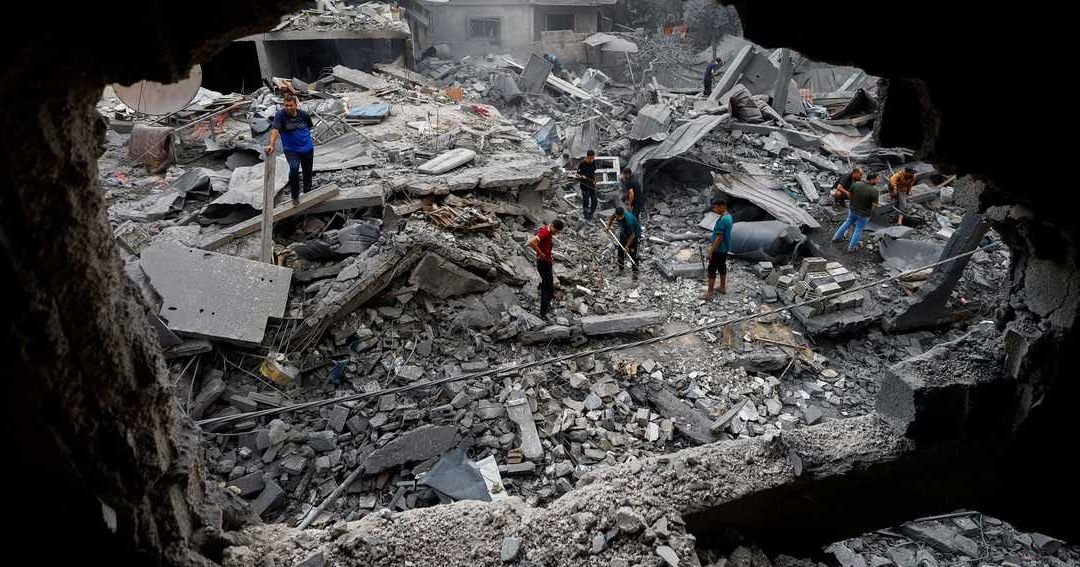
A detailed analysis has raised significant concerns regarding the transparency and efficacy of military investigative processes concerning civilian casualties. The study reviewed the status of 254 separate incidents involving death and injury that occurred over a three-year period across the Gaza Strip, the occupied West Bank, Lebanon, and Israel. According to the findings, the vast majority of these inquiries have reached a standstill, with their outcomes remaining unknown or effectively buried.
These 254 cases span a diverse range of operational environments and high-intensity conflict zones. By examining these incidents, observers have highlighted a systemic pattern where investigations initiated by military authorities fail to produce tangible results, accountability, or public disclosure regarding the circumstances of the casualties involved. For families of the victims and human rights organizations monitoring the situation, the lack of definitive outcomes in these hundreds of cases underscores a persistent failure in oversight mechanisms.
In the context of the Gaza Strip, the frequency of reported civilian harm has been subject to intense international scrutiny. The investigative process, which is designed to determine whether operational actions adhered to the laws of armed conflict, is often cited by officials as a necessary step for maintaining integrity in military operations. However, the data reveals that despite the passage of time—covering events occurring over the last three years—these internal reviews have not culminated in finalized reporting or public accountability measures. This is particularly notable in cases involving operations in densely populated areas of Gaza, where the impact of military activities on the civilian population has been profound.
The scope of the lack of findings also extends to the occupied West Bank and border regions in Lebanon. The persistent ambiguity surrounding these investigations limits the ability of international observers and local stakeholders to ascertain the facts of these engagements. As these military investigations into the 254 incidents remain pending or lack public updates, the issue continues to fuel criticism from those calling for independent inquiries into the conduct of operations in these territories.
The findings point to a broader issue regarding the functionality of domestic military oversight in conflict zones. While the military maintains that these incidents are investigated to address allegations of misconduct or procedural failures, the evidence suggests that the conclusion of such investigations is rarely communicated or processed in a way that provides justice to the affected parties. With hundreds of lives impacted across multiple jurisdictions, the ongoing silence surrounding these case files serves as a point of contention in the broader discourse on regional stability and international humanitarian law adherence.