Southern Yemen Mobilizes to Reassert Political Autonomy

A significant surge in political activity across southern Yemen has highlighted a deepening push for autonomy and regional security. Massive public demonstrations took place in Aden, Shabwa, Hadramout, and Al-Mahrah, signaling broad popular support for the political trajectory established by the leadership of the Southern Transitional Council (STC), headed by Aidarus al-Zoubaidi. These gatherings served as a physical manifestation of a growing political movement focused on securing administrative independence and asserting local control over southern territories.
The mobilization comes at a time of increased volatility in the region, where the intersection of security concerns and political ambition has created a complex landscape for state actors. The demonstrations were not merely local protests but were described by observers as a coordinated effort to solidify the south’s position in the ongoing national discourse. The public show of strength aims to provide the necessary leverage for southern leaders as they navigate the complexities of Yemen’s fragmented governing structures.
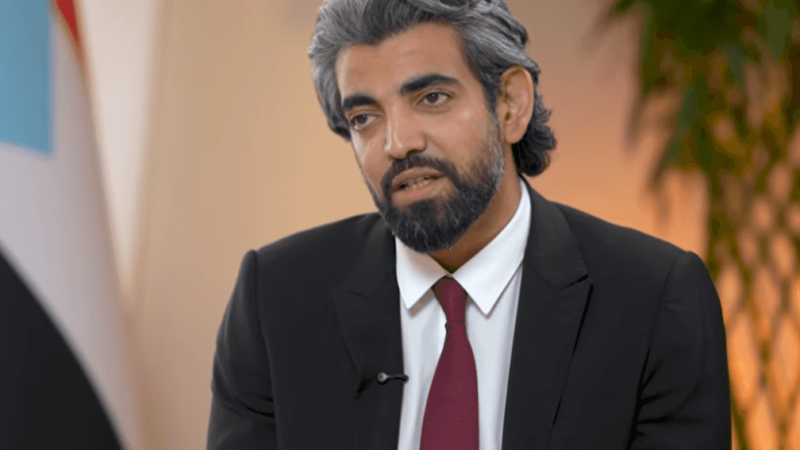
The political stakes were clearly articulated by the former Yemeni Foreign Minister, Khaled Al-Yamani. Following the widespread protests, Al-Yamani provided a candid assessment of the southern position, positioning the current mobilizations within a structured political framework. According to this perspective, the movement is driven by a clear mandate: the restoration of sovereignty and the protection of ancestral lands. This message, echoed by both the political elite and the mobilized crowds, underscores a departure from centralized governance models that have historically failed to address the unique requirements of the southern regions.
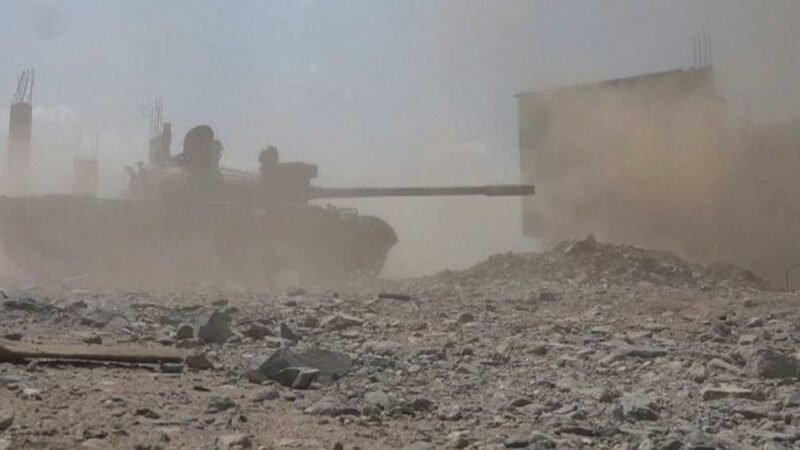
The strategic shift in the south is multifaceted, involving both the consolidation of military presence to ensure regional stability and the articulation of a formal political roadmap. For the STC and its supporters, the current moment represents a critical window of opportunity to codify their demands for self-determination. By aligning popular grassroots support with high-level diplomatic narrative, southern stakeholders are attempting to transform their field presence into a long-term political reality.
However, the path forward remains fraught with regional and national challenges. The dual focus on territorial protection and political independence requires a delicate balance of maintaining security against persistent threats while simultaneously engaging in the broader diplomatic efforts aimed at stabilizing Yemen. As the southern provinces continue to align their efforts under a unified vision, the development is expected to have significant implications for the future of Yemen’s territorial integrity and political structure. The emphasis on land and independence reflects a profound shift in the regional power balance, making the southern movement a pivotal factor in any forthcoming national dialogue or conflict resolution process. As the situation evolves on the ground, the focus remains on whether this public mobilization can be successfully translated into sustainable governance and international recognition.