Gaza Families Face Heartbreak as Forced Separation Persists
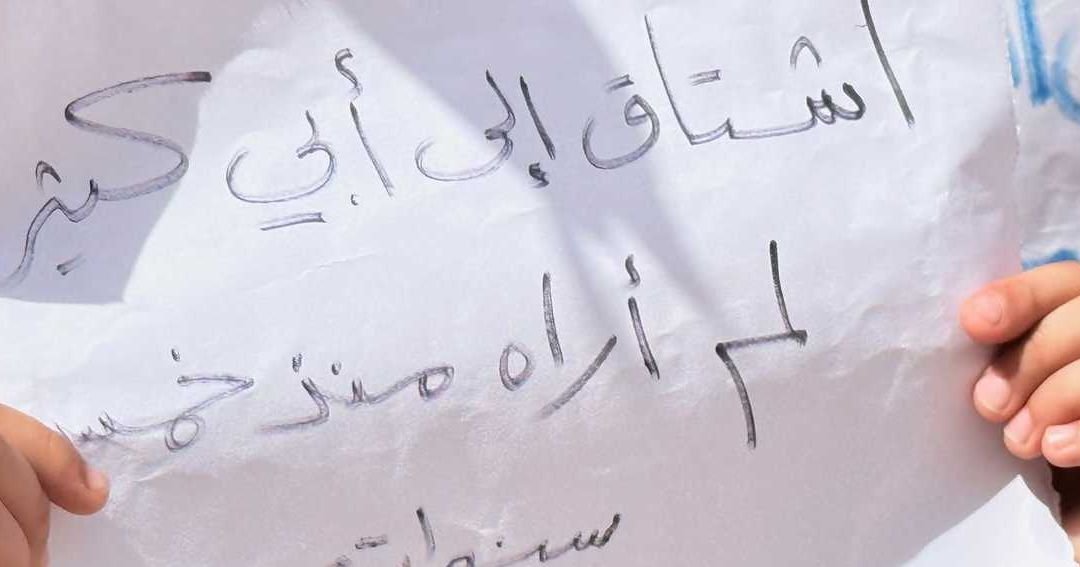
For hundreds of Palestinian families, the persistent reality of life in the Gaza Strip is defined by the agony of separation. As conflict and stringent travel restrictions continue to govern the region, families find themselves caught in a state of indefinite estrangement, with many unable to reunite with their relatives living abroad for over three years.
This forced separation has created a profound humanitarian crisis within the domestic sphere. The inability to move freely across borders has left parents separated from their children, and in several documented instances, children have been born into families where one parent is physically blocked from ever meeting their newborn due to the closure of exit points and the volatility of the security situation.
For those stranded outside the territory, the uncertainty is equally devastating. Families are waiting for any viable opportunity to bridge the distance, yet the combination of military escalation and administrative hurdles has rendered movement almost impossible. The duration of this separation—now spanning several years—means that children are growing up missing critical developmental milestones in the presence of their parents, leading to long-term psychological and emotional strain for both the youth and their guardians.
Despite the desperate nature of these individual family narratives, the systemic constraints show no immediate signs of easing. The restrictions on the movement of people in and out of the Gaza Strip remain among the most significant obstacles to reuniting these families. Local reports indicate that the ongoing status quo leaves these households in a perpetual state of uncertainty, hoping for diplomatic or humanitarian solutions that could facilitate the reunion of fragmented families.
For many, the question remains: “When will my father return?” This question, echoing across households, highlights the human cost of the regional instability. As the separation enters its fourth year for many, the collective toll on Palestinian society continues to mount, with the dream of a reunited family remaining a distant prospect for those affected by the ongoing border closures and regional security environment. The situation underscores the severe impact of protracted movement restrictions on the fundamental human need for family cohesion in one of the most volatile regions of the Middle East.