International Pressure Mounts on Sudan’s Military Leadership
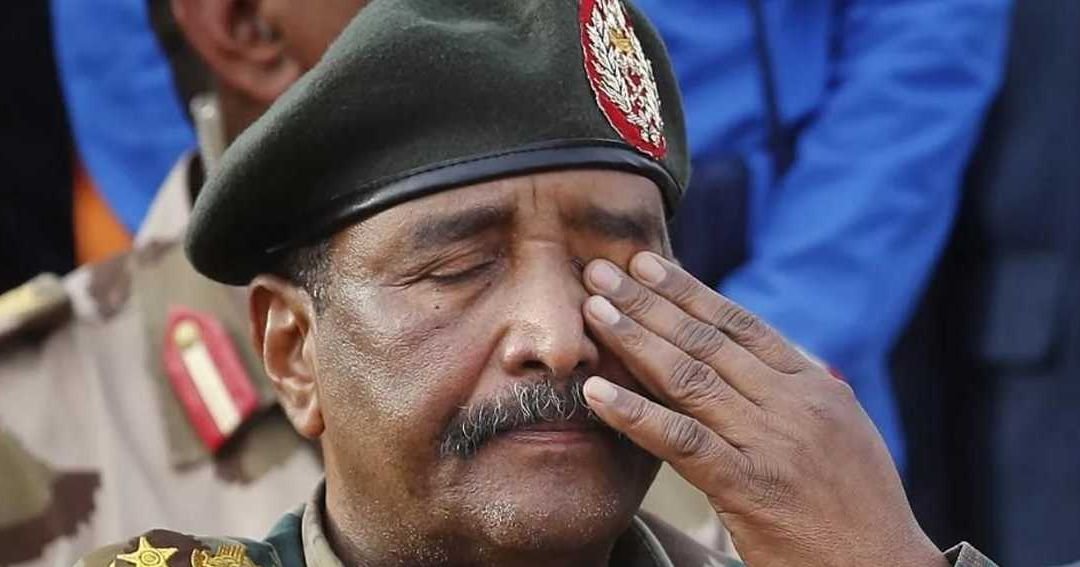
International diplomatic efforts aimed at halting the ongoing war in Sudan have entered a critical new phase, characterized by intensified pressure on the military leadership and the authorities in Port Sudan. Following extensive deliberations at the United Nations Security Council in New York, the focus of international mediation is shifting toward Switzerland, where an upcoming high-level meeting is expected to take place.
The transition of the diplomatic file to Switzerland marks a significant development in the broader push to stabilize the country. This gathering, which is set to involve key international stakeholders, including the Quartet and the Quint – the groups of nations and regional bodies focused on resolving the Sudanese crisis – aims to harmonize fragmented peace efforts. Diplomats are seeking to integrate the currently disparate objectives of achieving an immediate cessation of hostilities and establishing a credible transition toward a civilian-led government.
For months, the situation in Sudan has been a focal point for international observers who remain concerned over the deepening humanitarian crisis and the lack of a political resolution. The leadership of the Sudanese Armed Forces, currently based in Port Sudan, is now facing a more unified front of global actors. By moving these negotiations to Switzerland, the international community hopes to consolidate the various tracks of talks that have previously failed to secure a lasting breakthrough.
The challenge for the mediators in Switzerland remains the synchronization of a ceasefire with a viable roadmap for political transition. Recent developments have underscored the necessity of moving beyond fragmented negotiations, which have often been sidelined by ongoing military maneuvers. The international push is intended to exert direct pressure on the stakeholders to abandon purely military options in favor of a political settlement that addresses both the security and governance requirements of the nation.
While the military authorities have maintained their positions in Port Sudan, the relocation of the diplomatic process signals a move to hold the leadership more accountable to international norms and peace imperatives. As the Quartet and the Quint prepare for these discussions, the central objective remains the cessation of violence, which is viewed as a prerequisite for any meaningful progress in the Sudanese political landscape. The international community is framing this as a decisive moment to pressure the warring parties to prioritize stability and regional security over continued conflict. Whether this new diplomatic momentum will translate into substantive changes on the ground remains to be seen, but the shift in venue and the coordination between major international powers signal a more assertive approach to ending the war.