Egypt President Proposes Candidate Training Program at Military Academy
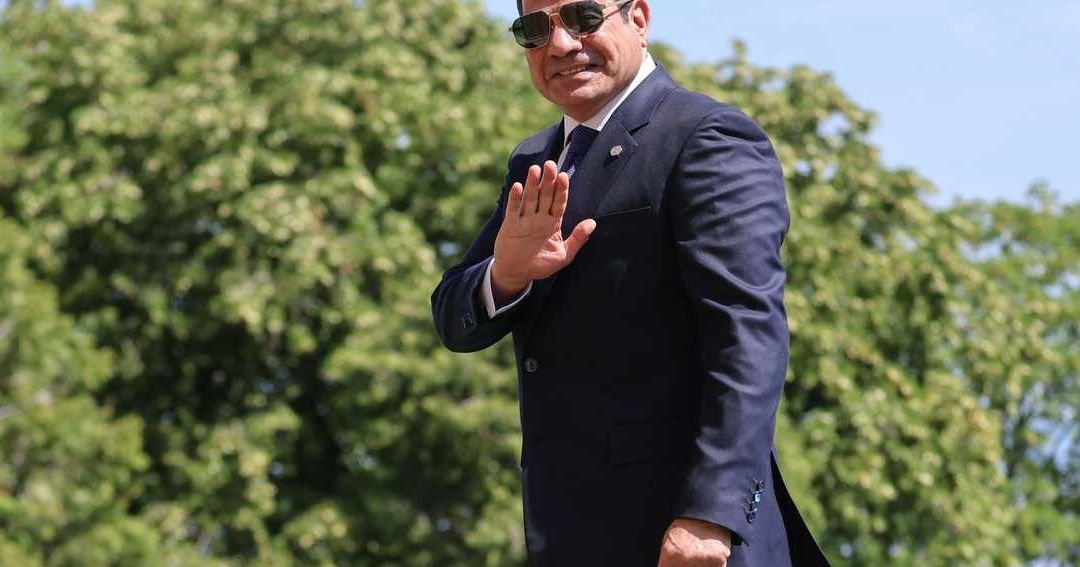
Egyptian President Abdel Fattah El-Sisi has announced a new initiative aimed at the preparation and professional development of potential candidates for the presidency of the Arab Republic of Egypt. The proposal, unveiled on Saturday, outlines a structured framework for grooming future leadership through an intensive academic and practical training curriculum.
Under the president’s plan, the program will be hosted within the Egyptian Military Academy. The curriculum is designed to span a duration of 30 months, focusing on providing high-level administrative, political, and strategic training to prospective presidential hopefuls. The initiative is specifically targeted at individuals who already hold doctoral degrees from either reputable Egyptian universities or recognized international academic institutions, emphasizing a commitment to academic rigor and advanced professional qualification for those aspiring to the nation’s highest office.
The announcement reflects a broader strategic focus on institutionalizing the pipeline for leadership in Egypt. By utilizing the infrastructure and training methodologies of the Egyptian Military Academy, the proposal seeks to ensure that future candidates possess a foundational understanding of the state’s security, administrative, and developmental priorities. The integration of high-level academic credentials with military-aligned leadership training suggests an emphasis on creating a cadre of candidates equipped with both deep intellectual backgrounds and a disciplined approach to governance.
While the program represents a new, formal step in the development of potential presidential candidates, it remains part of a larger ongoing discussion regarding political participation and the standards for leadership in the country. The criteria set forth by President El-Sisi—specifically the requirement for candidates to hold doctorate degrees—serve as a key indicator of the administration’s focus on professional expertise as a prerequisite for national service at the executive level. The 30-month timeline also underscores the depth and long-term nature of the training process, which is intended to provide participants with comprehensive exposure to the challenges and responsibilities associated with the presidency.
Further details regarding the application process, the specific modular structure of the 30-month program, and the selection committees overseeing the candidate vetting process are expected to be refined as the initiative moves toward implementation. For now, the proposal stands as a significant development in the Egyptian political landscape, highlighting the government’s current efforts to shape the future of the nation’s executive leadership through formal training and elite educational qualifications.