Lebanese President Calls for Arrest of Hezbollah Officials
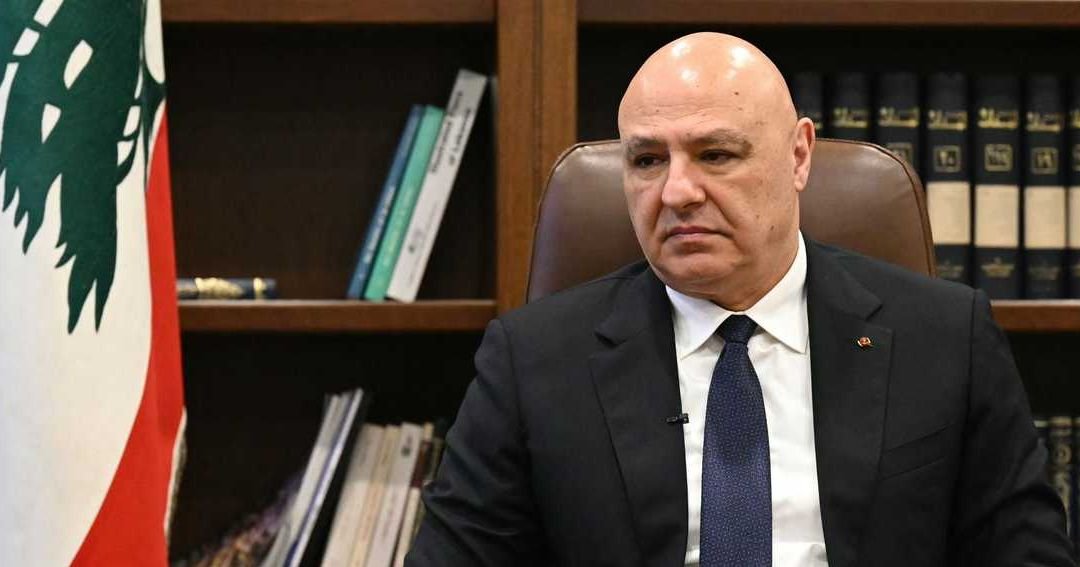
Lebanese President Joseph Aoun has formally requested the detention of high-ranking officials affiliated with Hezbollah as part of an escalating investigation into the discovery of a truck laden with explosives. The call for arrests marks a significant development in ongoing efforts to address the transport of illicit materials within the country.
The directive comes amid heightened domestic scrutiny regarding the movement of unauthorized weaponry and hazardous materials. Authorities have been conducting investigations into the incident involving the truck, which has raised substantial security and political concerns across Lebanon. The legal process initiated by the President is being closely watched as a test of the state’s judicial and security capabilities in overseeing incidents involving heavily armed non-state actors operating within Lebanese borders.
According to details reported by the local press, the request for arrests is directly tied to the evidentiary findings recovered from the site where the vehicle was intercepted. This development brings renewed tension between the state’s executive authority and the political and military establishment of Hezbollah. The presence of such materials and the involvement of political figures in their transport has historically exacerbated internal Lebanese political instability and prompted debates regarding the state’s sovereignty and its control over national security assets.
Observers of the Lebanese political landscape note that such high-level calls for the prosecution of figures connected to the group are rare and carry profound implications for the current administration. The move underscores a desire to assert state control and accountability following findings that implicate members of the organization in the handling of explosive cargo.
As the investigation continues to unfold, the reaction from political factions and the judiciary will be pivotal. The incident highlights the delicate balance of power in Lebanon, where political decision-making is often complicated by the parallel security infrastructures maintained by various actors. The President’s request for arrests represents an effort to navigate these complex dynamics through the framework of the law, though the feasibility and implementation of these warrants remain subject to the broader political realities of the country.
The public and regional stakeholders are now waiting to see how the security agencies, particularly those tasked with executing legal warrants, will navigate the challenge of approaching individuals with ties to Hezbollah. The outcome of this specific legal push is expected to serve as a bellwether for future government actions concerning the regulation of armaments and the enforcement of the rule of law across all regions of Lebanon.