Netanyahu Posts Video of ‘Support Call’ with Trump
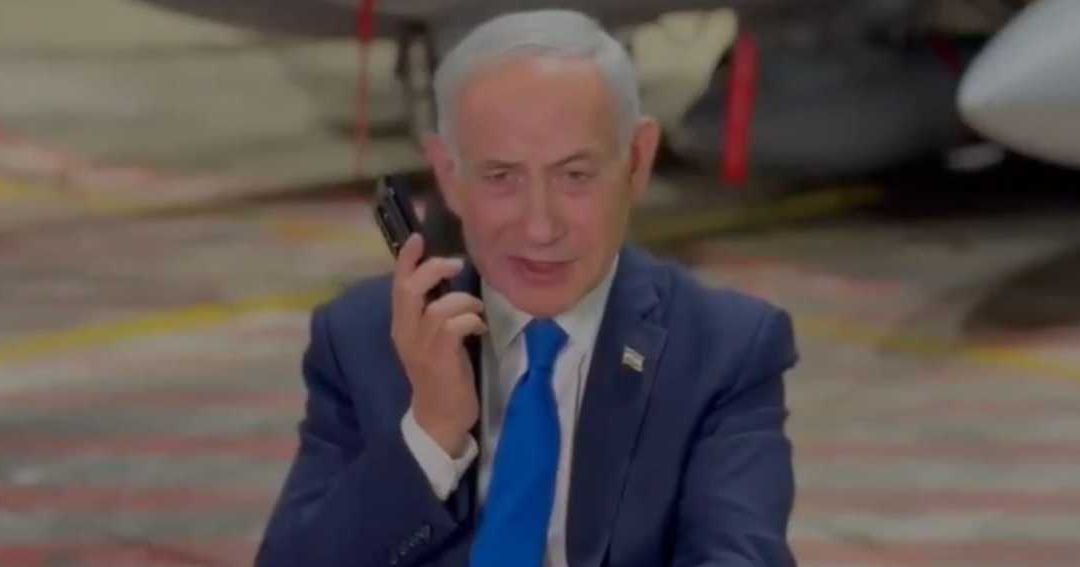
Israeli Prime Minister Benjamin Netanyahu released a video on his official social media account on Monday evening, sharing a recording of a phone conversation with former U.S. President Donald Trump. The move, which was made public on the platform X, is aimed at highlighting the political backing the Israeli leader holds with the former president as the country navigates a complex period ahead of scheduled elections.
The video, which was shared openly by the Prime Minister’s office, captures a cordial exchange between the two leaders. In the recording, Donald Trump is heard articulating a message of support for the Prime Minister. By broadcasting the conversation, Netanyahu is emphasizing his ongoing diplomatic connection with the former U.S. president, a figure who played a central role in shaping U.S. foreign policy toward Israel during his tenure in the White House.
Political analysts view the publication of the video as a strategic effort to signal to the Israeli electorate the strength of Netanyahu’s international alliances. The former U.S. president remains a significant figure in American political discourse, and his endorsement or expressed support is often utilized by regional leaders to reinforce their standing during domestic electoral campaigns. By bringing the call out into the public eye, Netanyahu is making a clear statement regarding the nature of his relationship with the American political figure.
The timing of the release comes as the political atmosphere in Israel remains charged, with parties and candidates positioning themselves for the upcoming electoral cycle. Netanyahu has frequently highlighted his ability to maintain high-level diplomatic contacts as a key pillar of his leadership platform, and the video serves as a tangible demonstration of these ties.
The shared footage does not reveal new policy shifts or specific bilateral agreements; rather, it functions as a visual and auditory confirmation of the political alignment between the two men. As the electoral period approaches, the visibility of such international support is expected to remain a focal point of the Prime Minister’s campaign messaging. The Israeli public, currently focused on a range of regional security and domestic concerns, is now being presented with this evidence of international reinforcement, which is likely to influence internal debates about the efficacy of the current administration’s foreign policy approach. The interaction underscores the intersection of domestic electoral politics within Israel and the influential, albeit external, role of U.S. political figures.