

Sudan Faces International Scrutiny Over Chemical Weapons Allegations
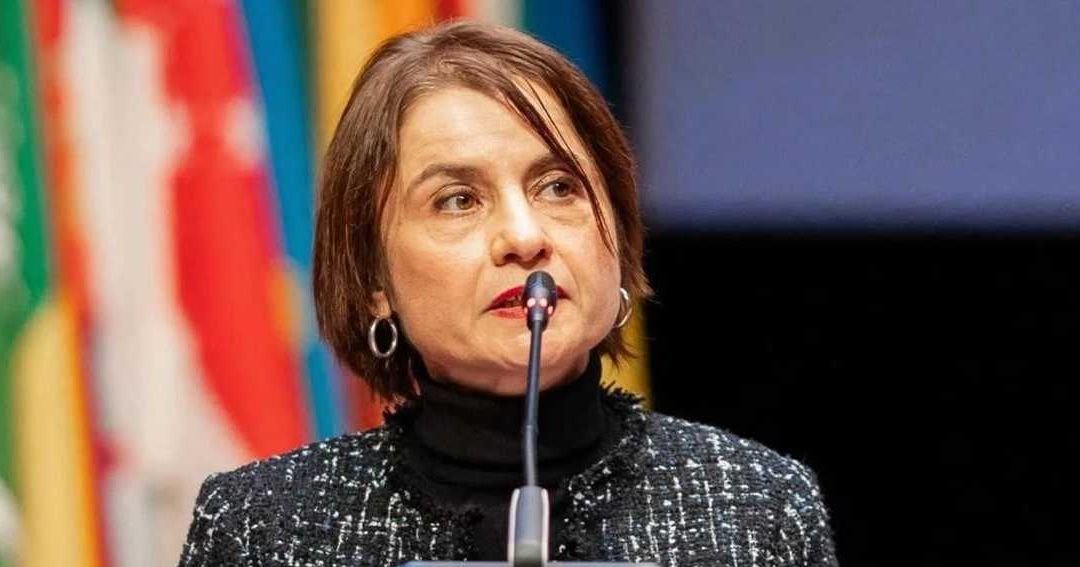
The Sudanese Armed Forces (SAF) are facing renewed international pressure as accusations regarding the development and deployment of chemical weapons in the ongoing conflict in Sudan take center stage at the 31st Conference of the States Parties to the Organisation for the Prohibition of Chemical Weapons (OPCW). The summit, which commenced this Monday in The Hague, has become a focal point for global accountability efforts as the international community seeks clarity on the conduct of the warring parties.
For months, reports and allegations have circulated suggesting that the Sudanese military has utilized prohibited chemical agents during its military operations. These claims have prompted significant concern among international observers and humanitarian organizations, who are now leveraging the platform of the OPCW to demand transparency. The current sessions in the Netherlands serve as a critical venue for member states to address these reports and insist that the Port Sudan-based authorities provide a comprehensive accounting of their military stockpiles and operational activities.
International bodies have increasingly signaled that the use of such weapons would constitute a grave violation of international law and a significant escalation of the humanitarian crisis in Sudan. The pressure on the authorities in Port Sudan is two-fold: not only are they being called upon to investigate internal reports of chemical substance deployment, but they are also under obligation to demonstrate active cooperation with OPCW inspectors. The organization, which oversees the implementation of the Chemical Weapons Convention, is tasked with verifying the destruction of chemical stockpiles and ensuring that signatory nations adhere to their obligations regarding the non-proliferation and non-use of such armaments.
Diplomatic observers note that the climate at this year’s conference is particularly charged. The scrutiny directed at the Port Sudan administration reflects a broader trend of increased monitoring of the Sudanese conflict by international judicial and monitoring bodies. As the session progresses, member states are expected to press for a transparent investigation that would allow independent monitors to verify the status of the Sudanese military’s chemical capabilities. The ability of the Sudanese authorities to address these allegations directly and without obstruction is seen as a key factor in their ongoing standing before international institutions.
The international community remains wary, noting that the ongoing conflict has already displaced millions and devastated the country’s infrastructure. Allegations of chemical weapons use add a deeply alarming dimension to the violence, which has pitted the SAF against rival forces in a struggle that shows few signs of abating. For now, all eyes are on the proceedings in The Hague, where the demand for accountability remains the primary expectation from the global community. The challenge for the Port Sudan-based government will be to navigate these accusations while maintaining its position in a highly polarized regional environment.