

Iraq Overhauls Border Oversight Following Oil Smuggling Probe
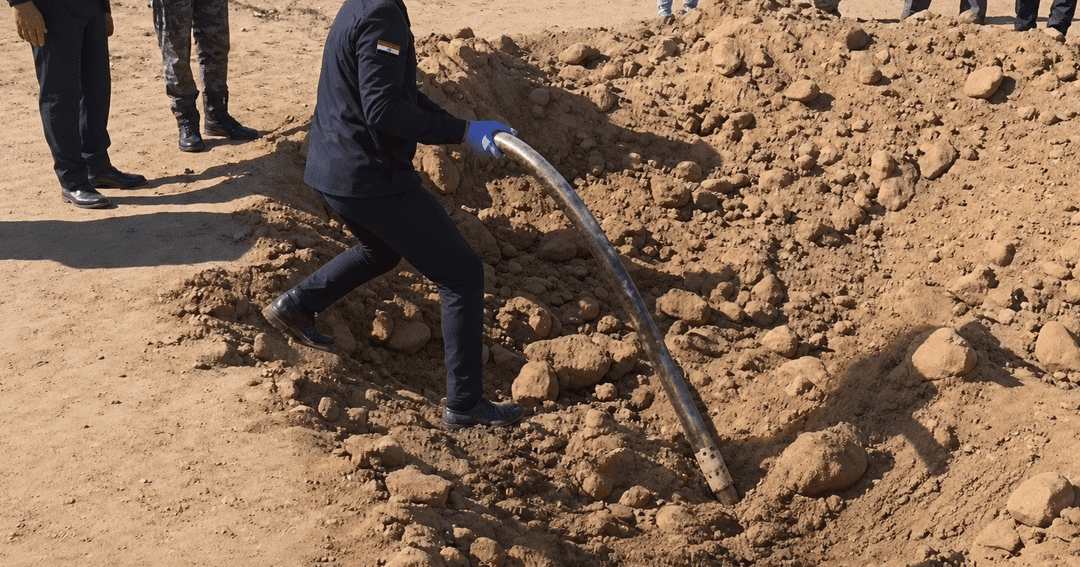
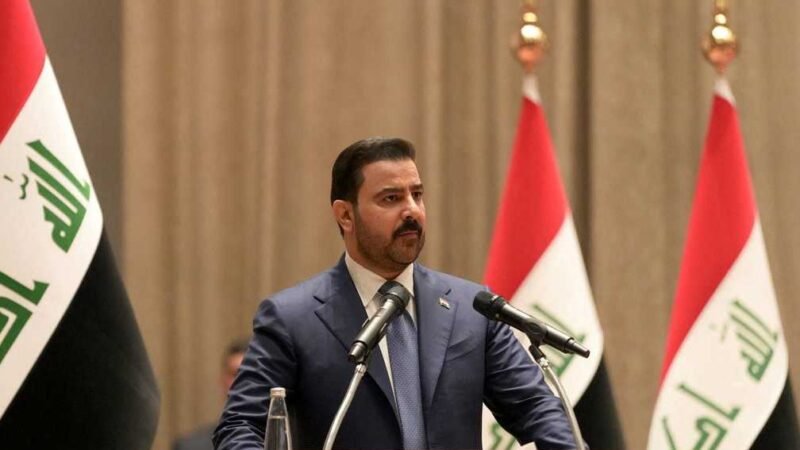
Iraqi Prime Minister, Ali Faleh Al-Zaidi, has announced a sweeping series of administrative dismissals and strategic policy changes aimed at curbing illicit oil smuggling across the country’s borders. The decision follows a comprehensive review of findings presented by a specialized committee tasked with investigating corruption and unauthorized fuel movement originating from the North Oil Company.
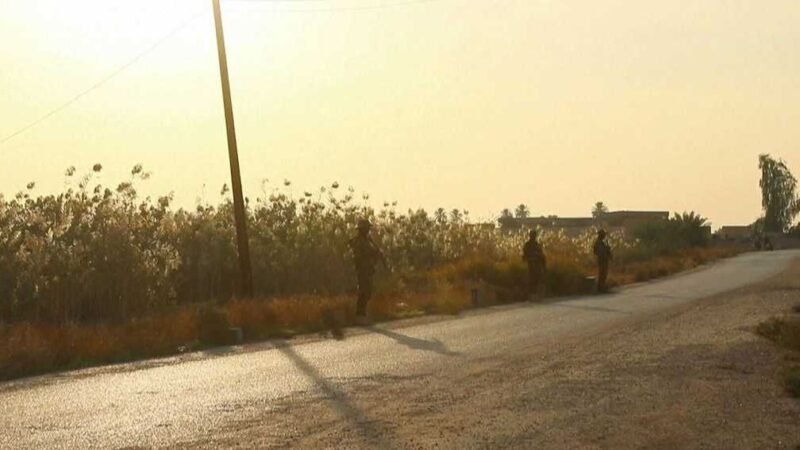
Under the new directives, the head of the Border Ports Authority has been relieved of his duties. Simultaneously, the Prime Minister has ordered the dismissal of the commanders overseeing operations in Kirkuk, as well as the province’s police chief. These high-level removals reflect the government’s intensifying crackdown on the systemic smuggling networks that have historically diverted state-owned energy resources into the black market.
Beyond personnel changes, the Prime Minister’s office has mandated a significant shift in oversight protocols. Future regulations will place a much stricter federal focus on the management of energy exports, border crossings, and oil fields, particularly in areas where regional and central authority oversight has been inconsistent. The new policy requires that all export operations and the administration of transit points be brought under more direct and rigorous federal control to ensure the transparency and integrity of Iraq’s national resources.
The investigation into the North Oil Company had previously highlighted vulnerabilities in the supply chain that allowed for the diversion of crude oil. By reorganizing the leadership at critical security points in Kirkuk—a hub for major oil production—the central government intends to dismantle the logistical loopholes that have facilitated these illegal activities.
These measures represent a broader effort by the Iraqi administration to consolidate its control over the national energy sector, which remains the backbone of the country’s economy. The tightening of federal supervision is seen as a necessary step to protect state revenues from exploitation and to stabilize the flow of energy commodities.
The central government has indicated that these structural changes are the beginning of a wider campaign to secure all border crossings and ensure that the management of oil infrastructure adheres to federal standards. The newly appointed officials will be tasked with implementing these enhanced security measures and ensuring full compliance with the updated oversight directives. This development marks a pivotal moment in the ongoing challenge to curb corruption within Iraq’s energy sector and reinforces the authority of the state over its natural wealth and transit routes.