

Syrian President Appoints Kurdish Politician Ilham Ahmed to Parliament
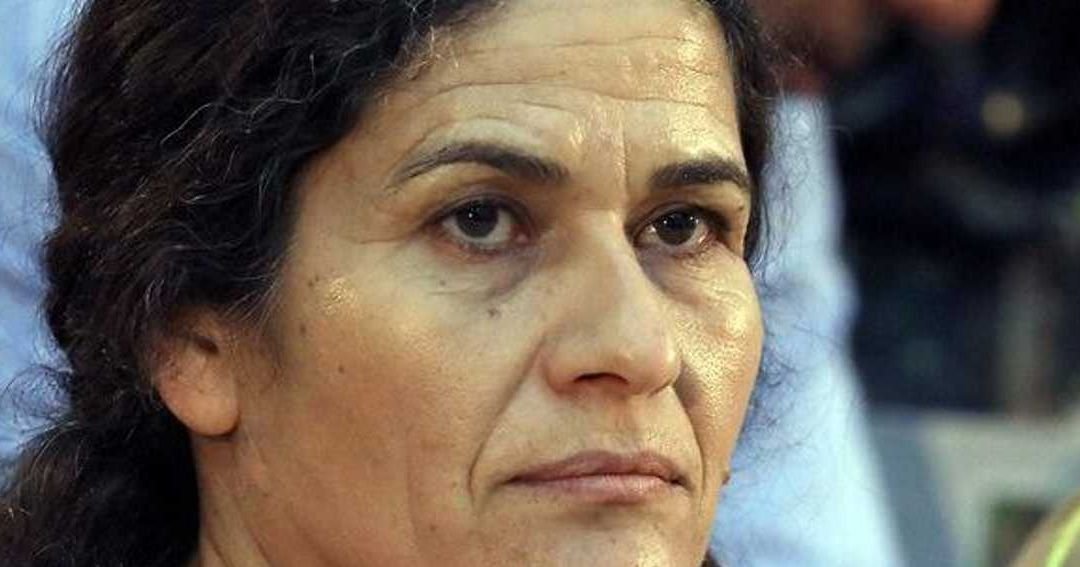
In a move that signals a notable shift in the political landscape of Syria, President Bashar al-Assad has appointed prominent Kurdish political figure Ilham Ahmed to the Syrian People’s Assembly. The appointment comes as part of a broader political transition following significant changes in the administration of northern and eastern regions of the country.
Ilham Ahmed, who has long served as a key representative and leader within the Autonomous Administration of North and East Syria, is now set to join the national legislative body in Damascus. This appointment represents one of the most significant efforts by the Syrian central government to integrate political figures from the autonomous zones into the state apparatus.
The inclusion of such a high-profile Kurdish leader in the national parliament occurs against the backdrop of an evolving security and administrative environment. In recent months, the Syrian Democratic Forces (SDF)—the military coalition that has operated under the autonomous administration—have undergone a process of dissolution. This development has been accompanied by ongoing efforts to incorporate the institutions of the autonomous administration into the official infrastructure of the Syrian state.
The integration process suggests a move toward centralizing governance and reconciling the long-standing administrative rift between the Damascus government and the Kurdish-led regions of the north and east. By incorporating influential figures such as Ahmed into the People’s Assembly, the government is attempting to establish a new framework for national representation and political consolidation. The move is viewed by observers as a pivotal step in the ongoing efforts to normalize relations between the central authority and the regions that have operated outside its control for years.
As a veteran political figure, Ilham Ahmed has played a critical role in negotiations and regional diplomacy. Her transition to the Syrian parliament is expected to have significant implications for the future of the autonomous project and the broader political settlement in Syria. While the full extent of this transition remains to be seen, the appointment indicates a clear move toward formal institutional integration. The Syrian authorities have yet to release further details on the specific legislative duties Ahmed will undertake, but her presence in the capital marks a departure from the previously adversarial relationship between the two parties. This political maneuver is likely intended to facilitate a smoother transition as the state expands its administrative footprint into territories formerly held by the autonomous administration and the associated SDF forces. The situation remains fluid as stakeholders continue to assess the impacts of these structural changes on the Syrian political map.