

Hunger Crisis Deepens as Sudanese Students Attend Class Without Food
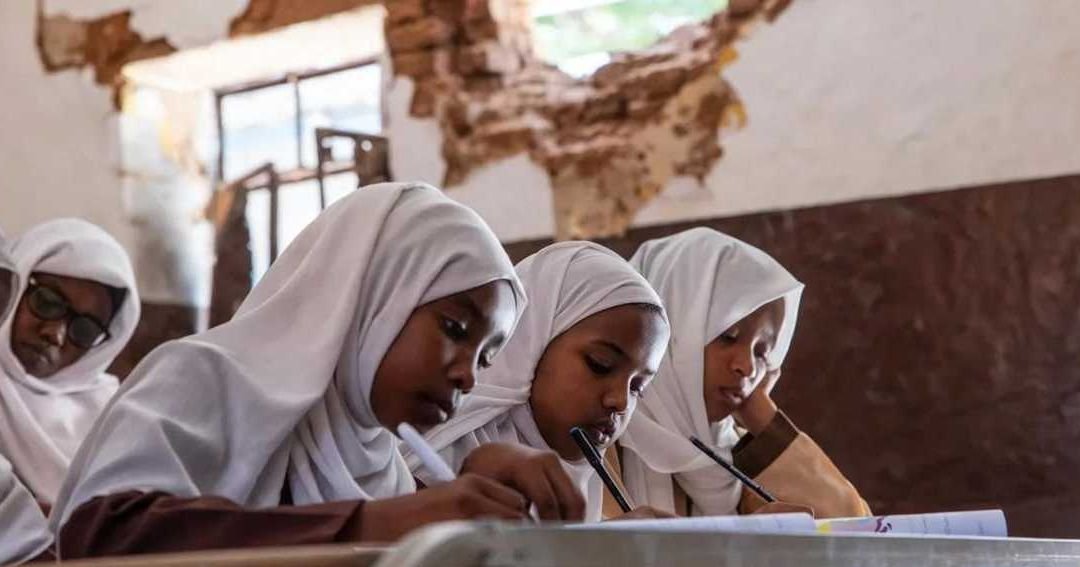
A harrowing reality has emerged from classrooms in the Sudanese capital, Khartoum, as a humanitarian crisis compounded by prolonged conflict and economic collapse forces many students to attend school without access to basic nutrition. A recent video featuring teachers highlighting the plight of their students has brought international attention to the severe food insecurity currently gripping the nation.
The ongoing conflict in Sudan has devastated the country’s infrastructure, leading to a complete cessation of production in numerous vital sectors. This disruption has triggered a catastrophic economic decline, characterized by the rapid devaluation of the Sudanese pound and a steep rise in the cost of living. Families across the country are struggling to survive, with the price of essential items, including basic staples like bread, soaring beyond the reach of the average citizen. Reports indicate that the cost of a single piece of bread has now surpassed 700 Sudanese pounds.
For many families, the financial burden of meeting basic nutritional requirements has become insurmountable. As food prices remain volatile and household incomes dwindle, the ability to provide children with even one square meal a day has significantly diminished. This situation has created a desperate scenario within schools, where students are attempting to focus on their studies despite severe hunger. The physical and psychological toll on these children has become increasingly apparent, prompting widespread concern among educators and parents alike.
In response to the deteriorating health and well-being of the student population, there is growing public pressure to temporarily suspend classes. Advocates for this measure argue that schools cannot function effectively while students suffer from malnutrition and that the current educational environment is no longer sustainable under these dire circumstances. They emphasize that prioritizing the health and immediate survival of children must take precedence over academic attendance, as the hunger crisis continues to threaten the future of a generation.
The situation in Khartoum reflects the broader national crisis, where the intersection of war and economic failure has dismantled the support systems necessary for civilian life. With the collapse of various projects and the loss of livelihoods, the state’s ability to provide relief or maintain economic stability remains severely constrained. As humanitarian needs grow, the plight of students highlights the acute dangers facing vulnerable populations caught in the crossfire of Sudan’s ongoing instability.
Local calls for school closures underscore the desperation of parents who find themselves unable to provide for their children’s most basic needs. While the humanitarian impact of the war continues to escalate, the focus remains on finding ways to mitigate the suffering of those trapped in a cycle of poverty and food scarcity, as the nation grapples with an uncertain and increasingly difficult future.