

Iraq Sentences 11 to Prison for Oil Smuggling Operations
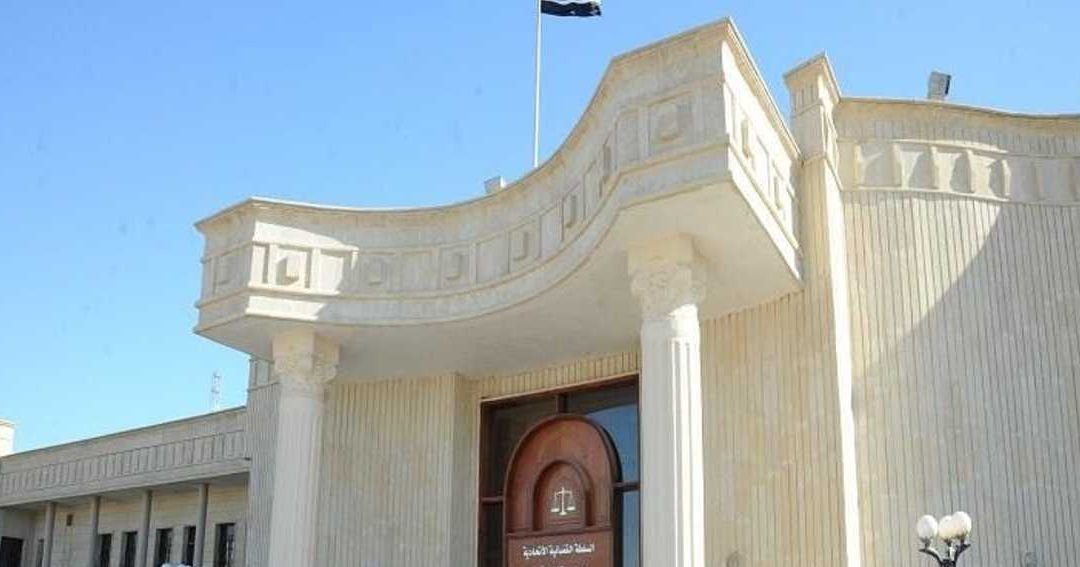
The Central Criminal Court of Iraq has delivered a significant blow to illicit energy trade networks, sentencing 11 individuals to 15 years in prison each for their involvement in large-scale oil smuggling operations. The verdict comes as the Iraqi government intensifies its broader security and military campaign to dismantle criminal networks responsible for the unauthorized export of the nation’s natural resources.
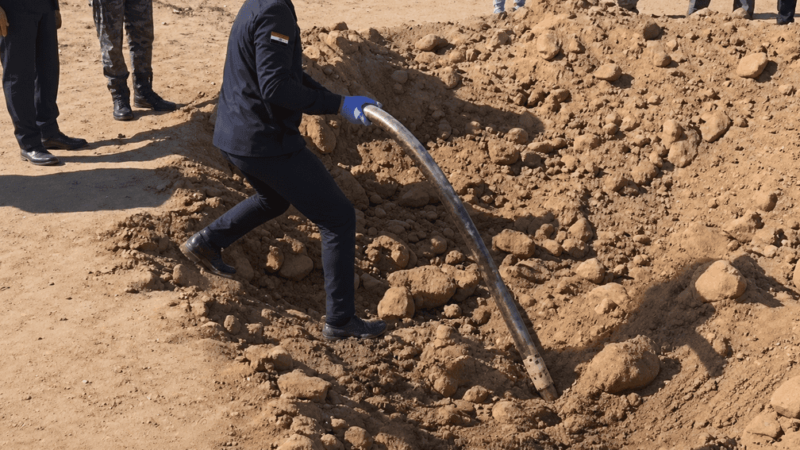
According to judicial authorities, the group was found guilty of facilitating the illegal transport of Iraqi oil across borders to a neighboring state. This conviction is part of a sustained effort by Baghdad to curb the depletion of national assets and assert greater control over its energy infrastructure, which remains the backbone of the country’s economy.
The illicit trade of crude oil and petroleum products has long been a challenge for Iraqi authorities, with smuggling syndicates often exploiting porous borders and local instability to bypass state-controlled export channels. These operations not only deprive the national treasury of vital revenue but also complicate efforts to regulate domestic energy distribution.
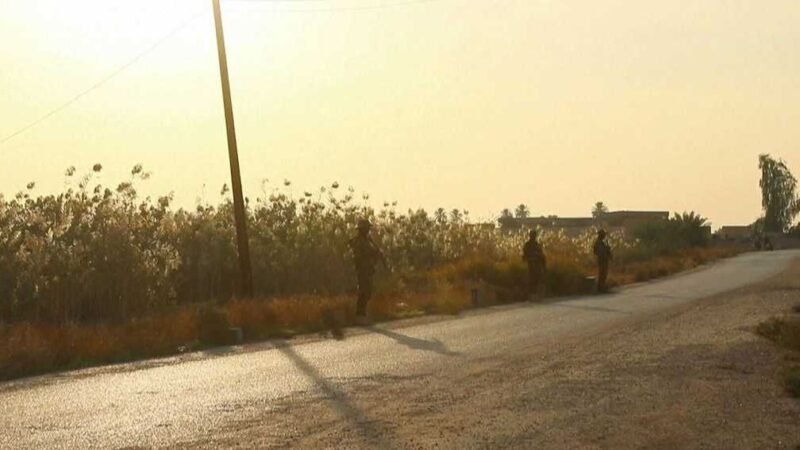
The sentencing follows a period of heightened vigilance across various regions of the country, where security forces have been tasked with identifying and neutralizing cells involved in the trafficking of hydrocarbons. In recent months, the Iraqi government has integrated intelligence-led operations with tactical military deployments to target the logistical hubs used by these smuggling networks. The crackdown aims to secure energy facilities, transit routes, and border crossings that have historically been targeted by criminal elements.
Legal experts note that the 15-year sentence reflects the severity with which the Iraqi judiciary views crimes against the state’s economic interests. Beyond the prison terms, the government has signaled that it intends to continue pursuing the leaders and financiers behind these operations, rather than focusing solely on the individuals directly involved in the physical transport of the goods.
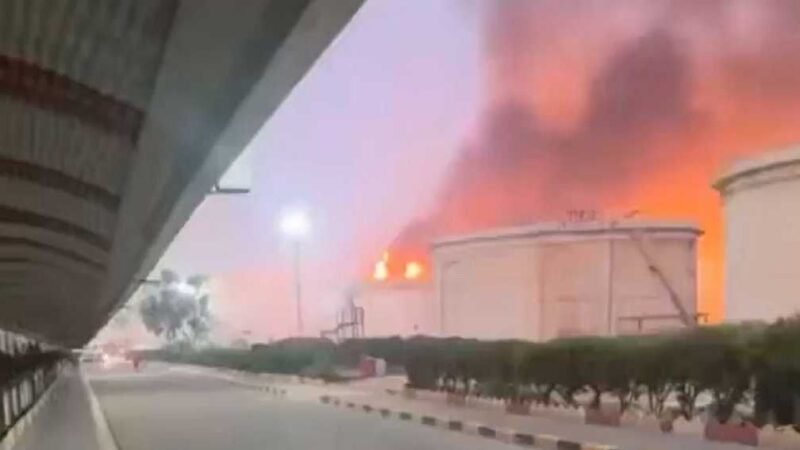
For the Iraqi administration, safeguarding the energy sector is a matter of both national security and economic sovereignty. By curbing the diversion of oil, Baghdad aims to ensure that profits from its primary natural resource are managed through official state entities, thereby supporting national development programs and ongoing infrastructure rehabilitation projects. The Ministry of Oil continues to coordinate closely with security and intelligence services to monitor suspicious movements and strengthen border monitoring systems, particularly in areas where illicit cross-border activity has been reported.
As the government persists with this crackdown, authorities are calling for continued vigilance from local communities and regional border officials to report suspicious activities. While the recent judicial ruling represents a tactical success, officials remain focused on the long-term challenge of systemic corruption and the infrastructure gaps that have historically facilitated the illegal export of Iraqi oil.