

Beijing and Moscow Monitor US Munition Shortages Amid Iran Conflict
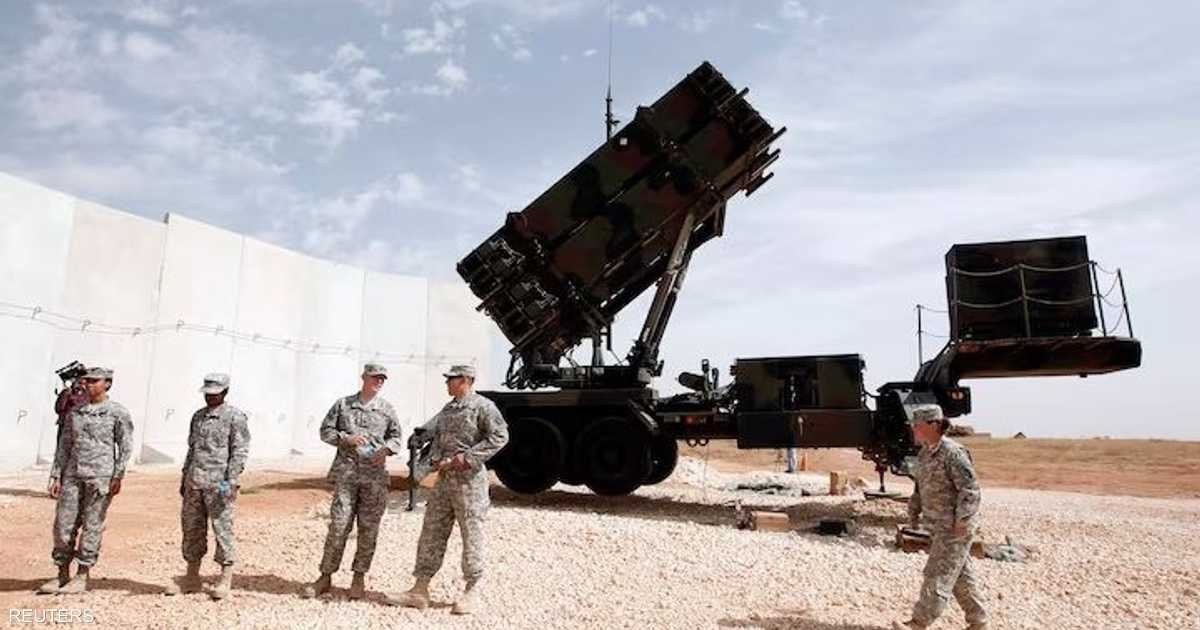
Beijing and Moscow are closely monitoring the intensifying debate within Washington regarding the depletion of the United States’ military arsenal in the context of the ongoing conflict with Iran. As the debate over defense readiness gains momentum, international observers note that the American administration is facing significant pressure to balance its global security commitments against the reality of its current stockpiles.
Defense analysts and policymakers in the U.S. have expressed growing concern that the rapid consumption of advanced munitions and missile systems could lead to an erosion of the country’s strategic deterrent capabilities. This debate has caught the attention of both Chinese and Russian officials, who view the situation as a potential “window of weakness” for the United States. According to assessments of the current discourse, foreign adversaries are analyzing whether these supply chain constraints and inventory gaps might embolden them to recalibrate their own military and diplomatic strategies in the coming years.
The core of the issue lies in the high rate of expenditure of sophisticated missile technology and defensive hardware during regional flare-ups. With the U.S. simultaneously managing various global theaters, the potential for a shortage in essential defense assets has become a focal point of legislative scrutiny in Washington. Critics of the current defense strategy argue that if these trends continue without adequate industrial base expansion, the United States may face challenges in maintaining its military edge in key regions, including the Middle East.
For Beijing and Moscow, the U.S. discussion regarding depleted inventories serves as a crucial data point in their own strategic planning. By evaluating the limits of American defense production, both nations are adjusting their long-term military postures to capitalize on any perceived hesitation or lack of readiness from the U.S. military. This has led to heightened vigilance in Washington, where officials are now tasked with accelerating domestic production while ensuring that regional allies remain confident in the U.S. commitment to collective security.
The strategic implications of this munitions shortfall are expected to remain a significant factor in international relations for the foreseeable future. As the U.S. looks to address these shortfalls through industrial investment and inventory replenishment, the global security environment, particularly in relation to Iran and its regional interests, remains sensitive to any shift in the perceived military superiority of the United States. The ongoing scrutiny from Russia and China underscores the gravity with which these powers view the current state of the American defense industrial base and its capacity to sustain a prolonged regional conflict.