

Israeli Settlers Divert Palestinian Water Sources in West Bank
The appropriation of natural water resources in the occupied West Bank has reached a critical juncture, directly impacting the livelihoods of Palestinian farmers who rely on these springs for their seasonal agriculture. Recent reports have highlighted instances where local Palestinian water sources, traditionally used for irrigation, are being diverted or restricted, effectively prioritizing the needs of Israeli settlers over the established local agricultural sector.
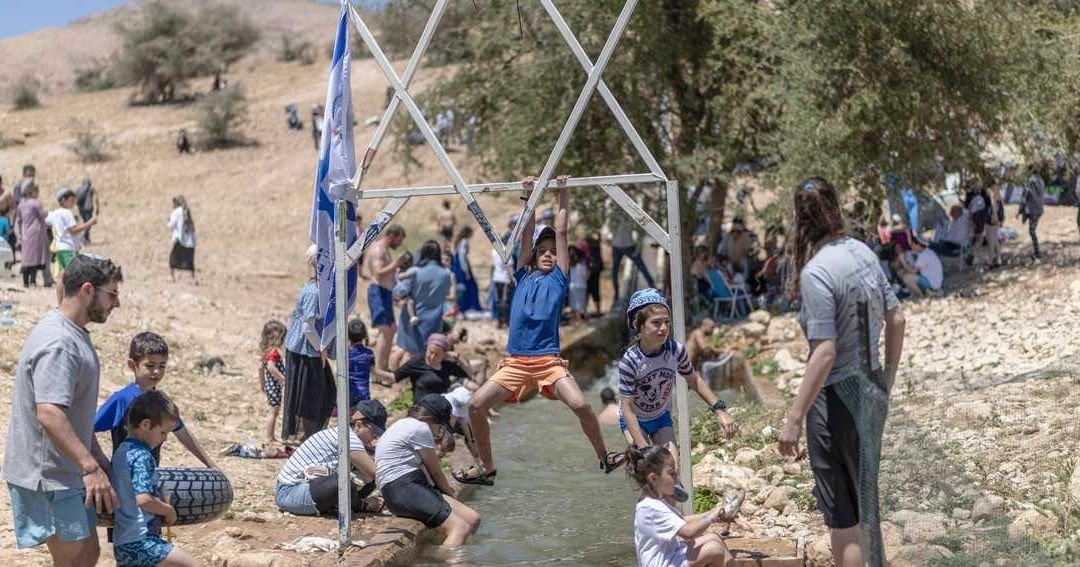
In one clear example documented during the summer months, a spring that historically provided essential water for nearby Palestinian fields was found to be diverted into a recreational swimming pool utilized by Israeli settlers. This practice is part of a broader, ongoing trend where natural water infrastructure in the territory is being repurposed. For the local Palestinian population, these water sources are not merely amenities; they are vital lifelines for crops and livestock. The reduction of water flow into these agricultural systems threatens the economic stability of farming communities and underscores the growing friction over natural resources in the occupied territories.
Water security remains a deeply contentious issue in the region, with infrastructure often serving as a focal point for wider political and territorial tensions. The diversion of these springs exacerbates existing difficulties for Palestinian landholders, who are already contending with complex bureaucratic and environmental challenges in maintaining their access to water. International observers have frequently pointed to the disparity in water allocation between Israeli settlers and the indigenous Palestinian population, noting that such actions often lead to a permanent shift in how resources are controlled and accessed within the territory.
As these water-related disputes continue, the reliance of Palestinian agriculture on predictable and consistent water access remains compromised. The trend of converting natural agricultural springs into private or recreational assets for settler populations highlights a significant shift in the landscape of the West Bank. For local farmers, the loss of these water rights represents more than just a seasonal inconvenience; it is a profound disruption to their traditional way of life and a major barrier to economic development. The situation underscores the urgent need for a transparent and equitable management of natural resources, ensuring that essential infrastructure remains available to those who depend on it for their survival and the sustainability of their land.