

Medical Case in Sohag: Twins Delivered After Mother’s Passing
Medical professionals in the Upper Egyptian governorate of Sohag recently performed a rare and complex procedure, successfully delivering twin infants after their mother had arrived at the hospital already deceased. The incident, which has garnered significant attention, occurred when the expectant mother was transported to a medical facility in the region. Upon arrival, emergency teams determined that the woman had passed away prior to reaching the hospital. Despite the tragic circumstances, medical staff acted immediately to perform an emergency intervention in a bid to save the unborn children.
The swift response of the medical team, who acted under the high-pressure conditions of a post-mortem delivery, resulted in the successful extraction of the twins. The procedure, which is medically referred to as a post-mortem cesarean section, requires immediate and precise execution, as the time window for the survival of the fetus after the mother’s circulation ceases is extremely narrow. The successful outcome serves as a testament to the urgency and professionalism of the staff involved in managing this critical situation.
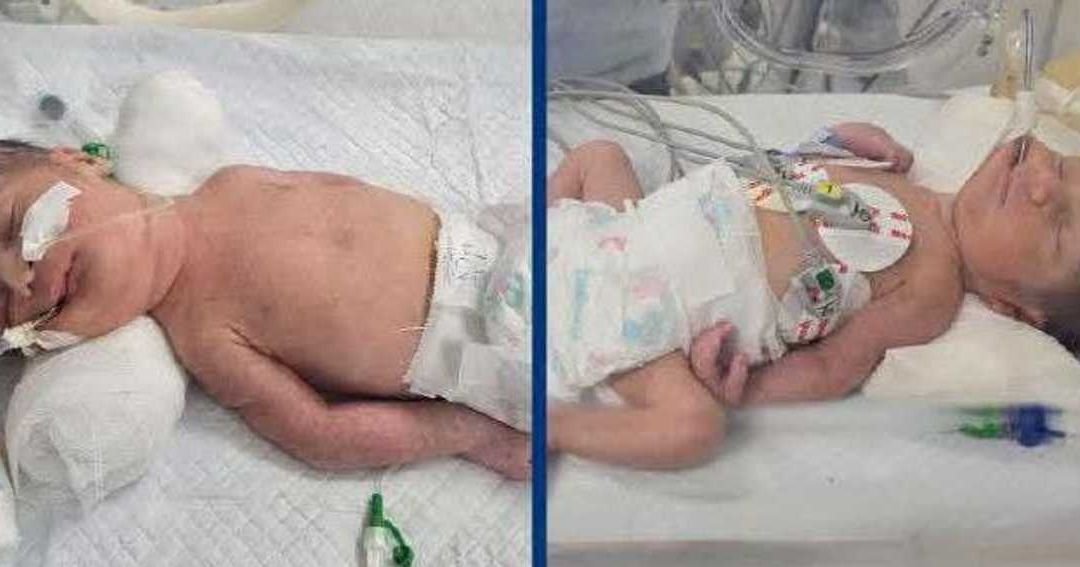
Following the delivery, the newborns were immediately placed under intensive medical care to monitor their vital signs and manage any complications resulting from the extreme nature of their birth. Hospital officials indicated that the infants were provided with specialized neonatal support to ensure their stability. The case has been documented as a rare medical event in the local healthcare sector, highlighting the extraordinary efforts taken by frontline staff when confronted with life-or-death emergencies in maternal health.
Local authorities and health officials in Sohag have closely monitored the condition of the twins, who remain under professional medical supervision. The tragic loss of the mother has been acknowledged by hospital administration, who noted that all necessary protocols were followed to give the infants the best possible chance of survival. While cases of this nature are exceptionally rare, they emphasize the importance of specialized emergency obstetric training and the readiness of provincial hospitals to handle critical, unexpected medical crises.
This incident has been reported as a significant development within the local medical community, underscoring the complexities involved in providing emergency care in remote or provincial settings. The medical team’s decision to proceed with the intervention has been highlighted for its life-saving impact, marking a rare success story amidst a deeply somber set of circumstances. Investigations or routine reports regarding the medical facility’s handling of the incident are expected to follow, as is standard practice for significant medical occurrences in Egypt’s public health system. At this time, the primary focus remains on the ongoing recovery and health of the infants as they continue to receive pediatric care.