

Turkey Accuses Israel of Destabilizing Syria
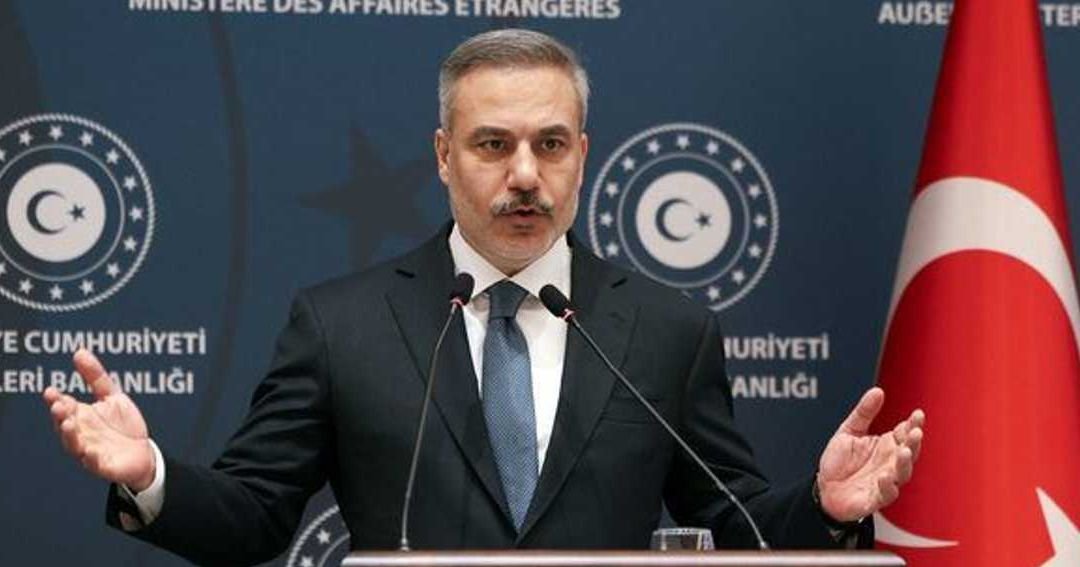
Turkish Foreign Minister Hakan Fidan has publicly accused Israel of actively working to destabilize Syria, alleging that Tel Aviv is intent on obstructing the positive diplomatic developments currently taking place within the war-torn nation. The remarks, delivered on Sunday, represent a significant hardening of rhetoric regarding regional security dynamics.
Fidan stated that Israeli policies are intentionally aimed at undermining the stability of the Syrian state, further complicating efforts to resolve the long-standing conflict. According to the Turkish top diplomat, these actions are designed to impede the progress of regional stabilization initiatives, which Ankara has been closely monitoring as part of its broader foreign policy strategy in the Levant.
The accusations highlight the growing friction between regional powers regarding the future of Syria. Turkey, which has maintained a significant military and diplomatic presence along its southern border, has frequently expressed concern over how regional interventions affect the security environment in northern Syria. By framing Israel’s involvement as a deliberate destabilization effort, Ankara is signaling a firm stance against any external actions it perceives as detrimental to its own national security interests and the wider regional order.
In response to these developments, the Syrian government has maintained a consistent public position. Syrian Foreign Minister Assad al-Sharaa emphasized that Damascus remains firmly committed to the diplomatic path. Despite the ongoing regional tensions and the accusations leveled against Israel, al-Sharaa noted that Syria intends to prioritize diplomatic solutions to navigate the current climate of escalation. This approach reflects Damascus’s strategy of engaging with regional stakeholders while attempting to mitigate the impact of foreign military and political pressures.
The exchange underscores the fragile nature of the security landscape in Syria, where the interests of multiple international and regional actors frequently collide. The explicit nature of the tension between Turkish and Israeli interests, as characterized by Fidan, serves as a focal point for the current regional discourse on Syrian sovereignty and security. As diplomatic efforts continue, the competing agendas of these regional powers remain a central factor in the ongoing efforts to address the crisis in Syria, with both Ankara and Damascus asserting that their respective security and political frameworks are being threatened by external regional influence. This latest diplomatic friction reinforces the complexity of the Syrian conflict and the challenges involved in fostering a unified regional approach to stabilization.