

Morocco Opens Polling Stations for Parliamentary Elections
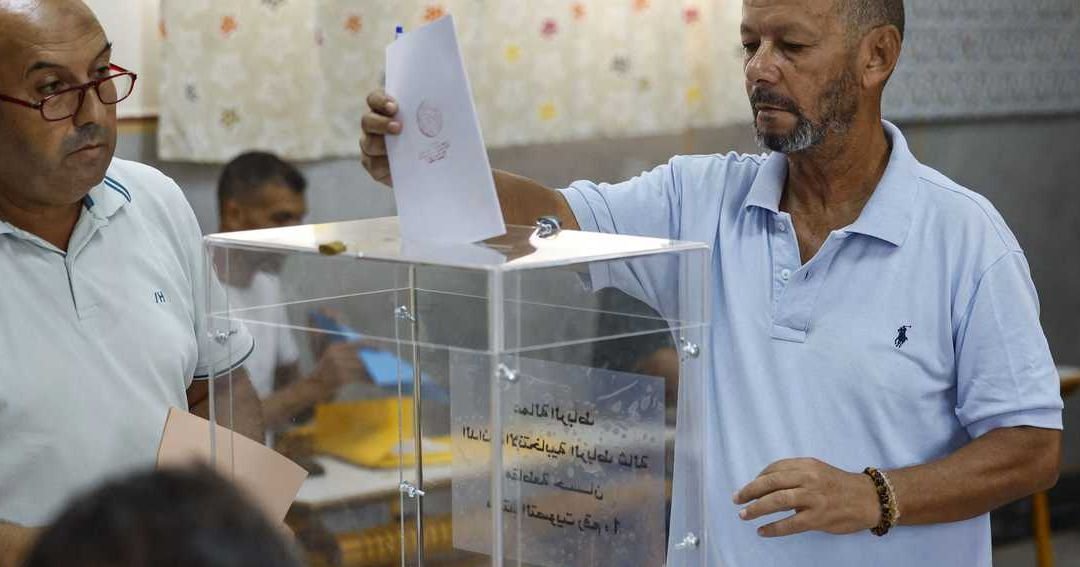
Polling stations opened across Morocco on Wednesday morning, marking the commencement of critical legislative elections. More than 15.8 million registered voters are eligible to cast their ballots to determine the composition of the country’s House of Representatives. This democratic exercise serves as a pivotal moment for the nation as it looks to shape its legislative agenda for the coming term.
The electoral process features a broad field of 7,288 candidates, all vying for one of the 395 seats available in the lower house of parliament. These candidates represent various political formations across the country, seeking to secure a mandate from the electorate to implement their proposed policy platforms. The high volume of candidates reflects the competitive nature of the race, with political parties mobilizing their bases in an effort to gain influence within the legislative body.
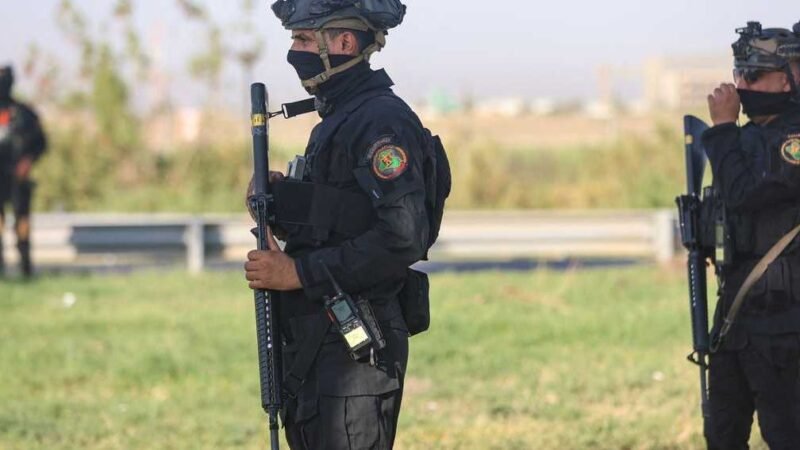
The elections are being conducted under the supervision of national authorities, with polling stations officially opening their doors to the public early in the day. Security measures and organizational protocols have been established to ensure that the voting process proceeds in an orderly manner. Observers are closely monitoring the turnout, as the engagement of the 15.8 million voters will be a key determinant in the legitimacy and representative strength of the new government.
As the day progresses, the focus shifts to the local and regional distribution of the vote. The composition of the new House of Representatives will be critical in deciding the government’s direction on key domestic issues, including economic reform, social development, and administrative policy. The outcome of this legislative contest will ultimately define the political landscape in Rabat for the next cycle, with the elected members tasked with the responsibility of addressing the diverse needs and aspirations of the Moroccan population.
Following the close of polls, the counting process is expected to begin, with official results anticipated as the various districts report their outcomes. The significance of this electoral event lies in its role as a fundamental pillar of Morocco’s political life, providing citizens with the opportunity to participate directly in the selection of their legislative representatives. As the ballots are tallied, political analysts and citizens alike will be watching to see how the electorate has decided to balance the power dynamics within the new parliament, setting the stage for the legislative priorities that will guide the kingdom in the years to follow. The process remains a vital indicator of the health and development of the national political system, with the international community observing the outcome of this significant democratic event in North Africa.