

Israel’s UN Envoy Claims Iran’s Nuclear and Missile Capabilities Fading
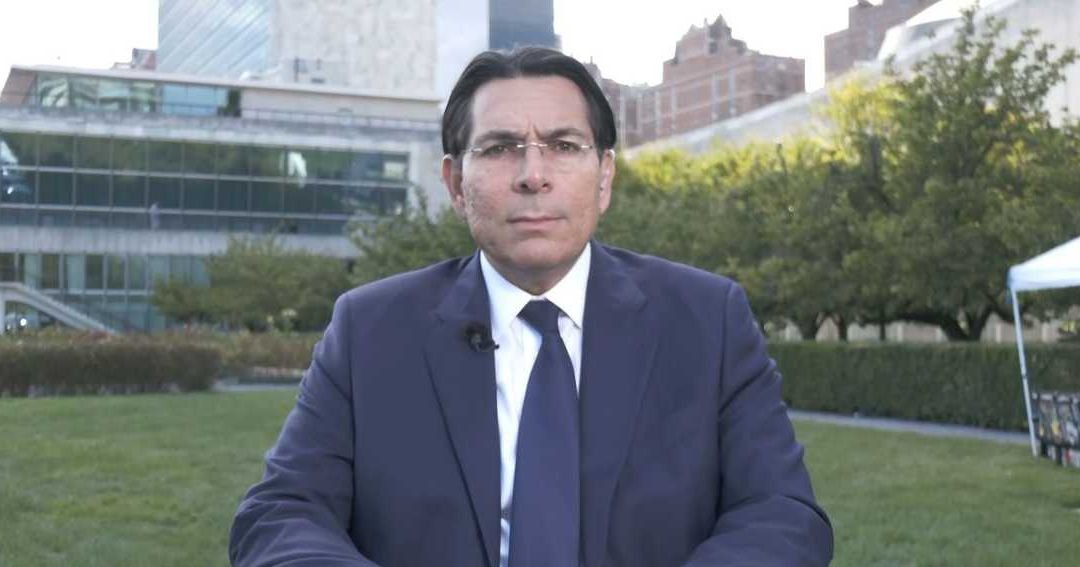
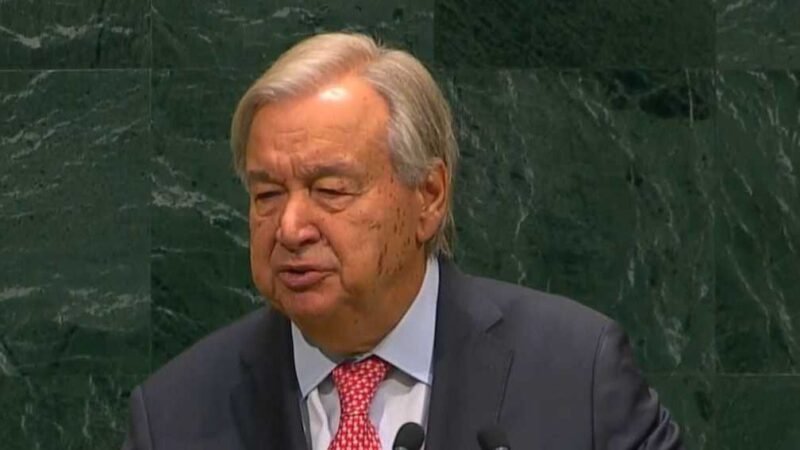
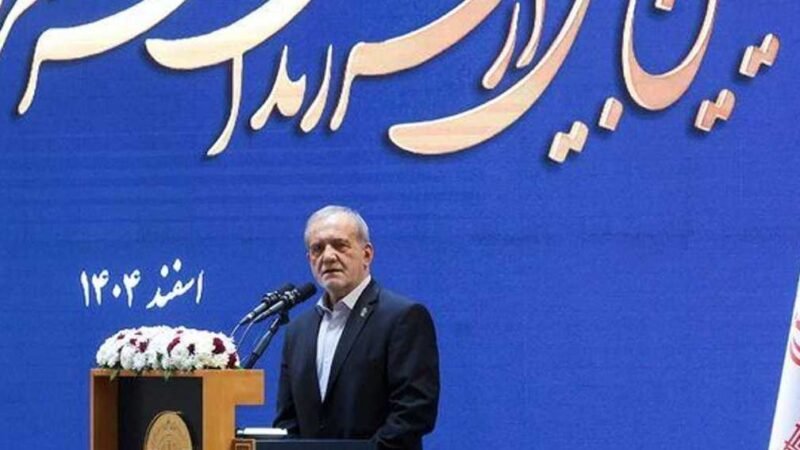
Israel’s permanent representative to the United Nations, Danny Danon, issued a sharp critique of Iranian leadership on Wednesday, dismissing the rhetoric of Iranian President Masoud Pezeshkian. In a statement addressing the current geopolitical climate, Danon characterized Pezeshkian’s recent diplomatic maneuvers and public appearances as a deliberate attempt to adopt the role of a victim on the international stage.
Danon’s remarks, delivered during a briefing, signaled an ongoing escalation in the war of words between Tel Aviv and Tehran. Central to his assessment was the assertion that Iran’s strategic military standing has suffered significant setbacks. According to the Israeli envoy, Tehran’s nuclear development program and its long-range missile capabilities have undergone a period of marked decline. While Danon provided little in the way of specific technical details, his comments reflect the long-standing Israeli position that rigorous monitoring and international pressure have curtailed the Islamic Republic’s regional influence and its technological advancements in weaponry.
The Israeli ambassador also touched upon the broader regional security architecture, specifically referencing the ongoing tensions involving Iran’s regional interests and its influence in Lebanon and Syria. These comments highlight the intensifying focus of Israeli security policy on the nexus between Tehran and its regional proxies. By framing the Iranian administration as being in a position of weakness, Danon’s rhetoric appears designed to consolidate domestic and international support for Israel’s current military and diplomatic stance regarding regional containment.
The exchange underscores the fragile nature of the current Middle Eastern security landscape. For Israel, the discourse surrounding Iran’s military readiness remains a core pillar of its foreign policy, with officials consistently highlighting the perceived existential threats posed by Tehran’s regional activities. Conversely, the Iranian administration continues to maintain that its activities are defensive in nature, a narrative that Danon has now explicitly sought to undermine by casting the Iranian president’s complaints as calculated performance art.
As the diplomatic situation continues to evolve, the comments from the Israeli UN mission emphasize the persistence of deep-seated mistrust between the two nations. The assertion that Iran’s capabilities are waning serves to frame the regional conflict through the lens of a shifting balance of power, where Israel views itself as maintaining a qualitative military edge despite persistent security challenges emanating from Tehran and its various fronts across the Levant. While the debate regarding Iran’s nuclear and ballistic trajectory is a fixture of international diplomacy, this latest intervention by Danon marks a hardening of Israel’s public narrative toward the current Iranian executive office.