Diplomatic Tensions Rise Over Lebanese Ambassador in Washington
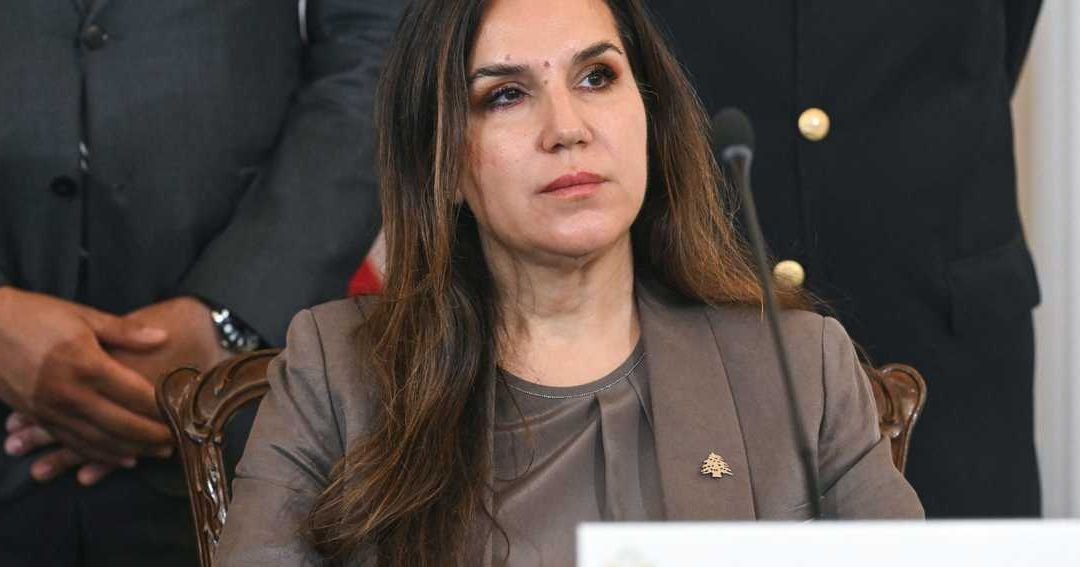
The diplomatic standing of Lebanon’s ambassador to the United States, Nada Hamidi Moawad, has become the center of an escalating political controversy that highlights the deepening friction between the Lebanese state and Hezbollah. The situation, which has drawn critical attention from Washington, reflects the complex internal dynamics currently paralyzing Lebanese diplomatic channels and their external reach.
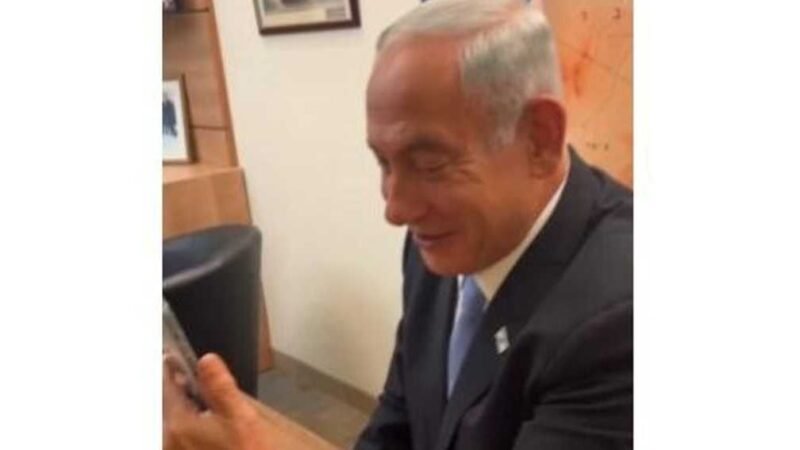
The controversy began when a lawyer affiliated with Hezbollah filed a formal complaint against Ambassador Moawad. The legal challenge stems from allegations regarding her reported interactions with the Israeli ambassador to the United States. In the polarized environment of Lebanese domestic politics, any perceived engagement or communication involving Israeli officials is a flashpoint, often triggering severe political and legal repercussions within the Lebanese judicial and administrative apparatus.
However, the move to pursue legal action against the diplomat has prompted an immediate response from the United States. Washington has expressed clear disapproval of the proceedings initiated against Ambassador Moawad, characterizing the attempt to prosecute a serving diplomat as a politicized maneuver. U.S. officials have signaled that the focus should remain on maintaining the integrity of diplomatic representation, rather than utilizing the legal system to settle domestic political scores or enforce ideological agendas that contradict standard diplomatic practice.
Furthermore, the American stance has shifted the spotlight toward the actions of Hezbollah members themselves. Washington has signaled that it views the efforts to target the diplomat as an attempt to undermine Lebanon’s international standing, suggesting that those responsible for such domestic pressure campaigns should instead face scrutiny for their own roles in the ongoing volatility affecting the Lebanese state.
This incident is illustrative of the broader systemic challenges facing Lebanon. As the country navigates a severe political and economic crisis, the struggle for influence between the state and Hezbollah frequently spills over into the international arena. Diplomats acting on behalf of the Lebanese government are increasingly caught in the crossfire of this internal struggle, complicating Lebanon’s ability to maintain stable relations with Western allies. By challenging the immunity and professional conduct of a senior representative in Washington, the move against Moawad serves as a potent symbol of how the domestic power struggle between the state and the powerful militant group is directly influencing the country’s foreign policy and its credibility in the international community.
As the situation develops, it remains unclear whether the legal pressure will be sustained or if the diplomatic pushback from Washington will force a de-escalation. For now, the case remains a testament to the fragile state of Lebanese diplomacy and the profound influence that Hezbollah continues to wield over the nation’s institutional processes and its standing in the global arena.