King Mohammed VI Appoints New Moroccan Government
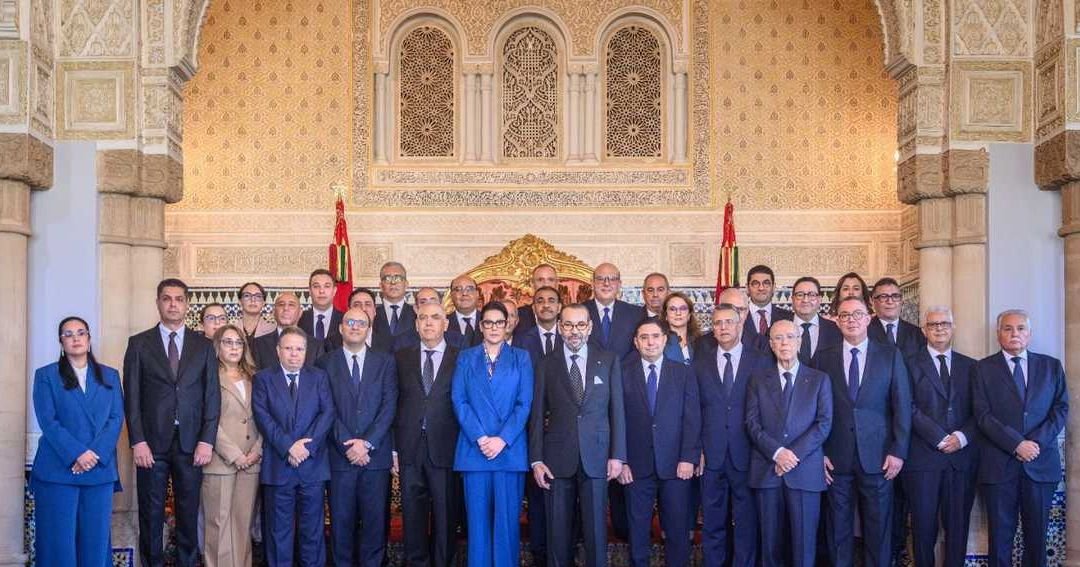
King Mohammed VI of Morocco presided over the official swearing-in ceremony of the newly appointed government on Friday, marking a significant transition in the country’s political landscape. The new cabinet is set to be led by Fatima Zahra Mansouri, who serves as a coordinator for the collective leadership of the Authenticity and Modernity Party (PAM).
The formation of this new administration follows the party’s strong performance in the parliamentary elections held on September 23, where the Authenticity and Modernity Party secured the first-place position. The appointment process was finalized under the authority of the Monarch, adhering to constitutional procedures that govern the formation of the executive branch in Morocco.
Fatima Zahra Mansouri, a prominent figure within her party, now assumes the mandate to lead the government through its upcoming term. Her leadership comes at a pivotal time as the kingdom continues to implement its national development strategy and navigates regional political objectives. The ceremony, held at the Royal Palace, was attended by senior state officials, reflecting the gravity of the institutional change.
The new government is tasked with executing the policies outlined by the political alliance that emerged successful from the September ballot. As the coordinator of the PAM’s collective leadership, Mansouri’s elevation to the premiership underscores the party’s influence in the current parliamentary configuration. Following the royal appointment, the cabinet is expected to begin its legislative agenda, focusing on the priorities established during the election cycle and the broader national goals mandated by the King.
Political observers in Rabat are monitoring the cabinet’s composition, which represents a consolidation of the parliamentary majority that emerged from the recent democratic exercise. The transition is part of Morocco’s ongoing commitment to its established political roadmap, emphasizing institutional stability and the continued role of the monarchy in overseeing the executive process. With the new ministers now officially in place, the focus shifts to the implementation of the government’s platform and its capacity to address the socio-economic challenges prioritized by the administration.
The ceremony concludes the initial post-election phase, setting the stage for the new government to address both domestic policy concerns and the kingdom’s international engagements. The official appointment by King Mohammed VI grants the administration the full constitutional authority required to commence its duties effectively, ensuring continuity in governance while integrating the leadership changes brought about by the recent electoral results.