Iraq Suspends Operations at Al-Shib Border Crossing with Iran
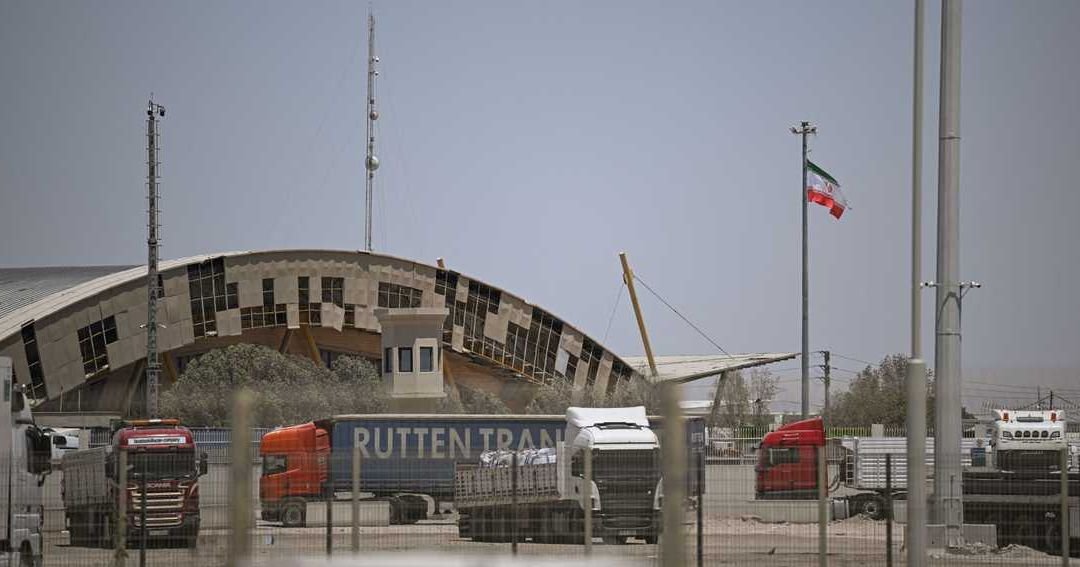
Iraqi officials have announced the temporary closure of the Al-Shib border crossing, a key transit point along the frontier with Iran. The decision to halt operations at the facility, which typically serves as a high-traffic corridor for both commercial and civilian movement, was confirmed by border authorities on Wednesday.
The suspension of services is part of a broader, ongoing initiative by the Iraqi government to bolster the security architecture of the country’s border infrastructure. According to official sources, the closure is necessary to facilitate the inspection of current protocols and to oversee the installation of sophisticated detection and screening equipment. The deployment of this new technology is aimed at strengthening the monitoring of cross-border traffic and effectively curbing the smuggling of illicit and prohibited items.
The Al-Shib crossing has long been a significant nexus for trade and travel between Iraq and Iran. By enhancing the detection capabilities at this specific site, the Iraqi authorities intend to mitigate security risks associated with unauthorized goods crossing into the country. While the disruption is expected to impact transit schedules for those currently utilizing the route, officials have framed the move as a proactive measure to ensure national border integrity.
The government has not provided a specific timeline for when the crossing is expected to resume full operations. However, the modernization of security checkpoints remains a high priority for the Iraqi administration as it seeks to professionalize border control operations. Iraqi border authorities indicated that the closure will remain in effect until the necessary hardware is successfully installed and the security review process is completed to a satisfactory standard.
Transit agencies and commercial entities that rely on the Al-Shib crossing have been advised to coordinate with regional authorities regarding alternative routes and the expected duration of the shutdown. The focus remains on ensuring that the facility, once reopened, meets the upgraded security requirements intended to prevent the movement of contraband. This development reflects the ongoing challenges Iraq faces in securing its extensive borders and the commitment of national security agencies to improve surveillance and interdiction methods at primary international gateways.