

Egypt Rejects Libyan Parliamentary Ratification of Turkish Maritime Pact
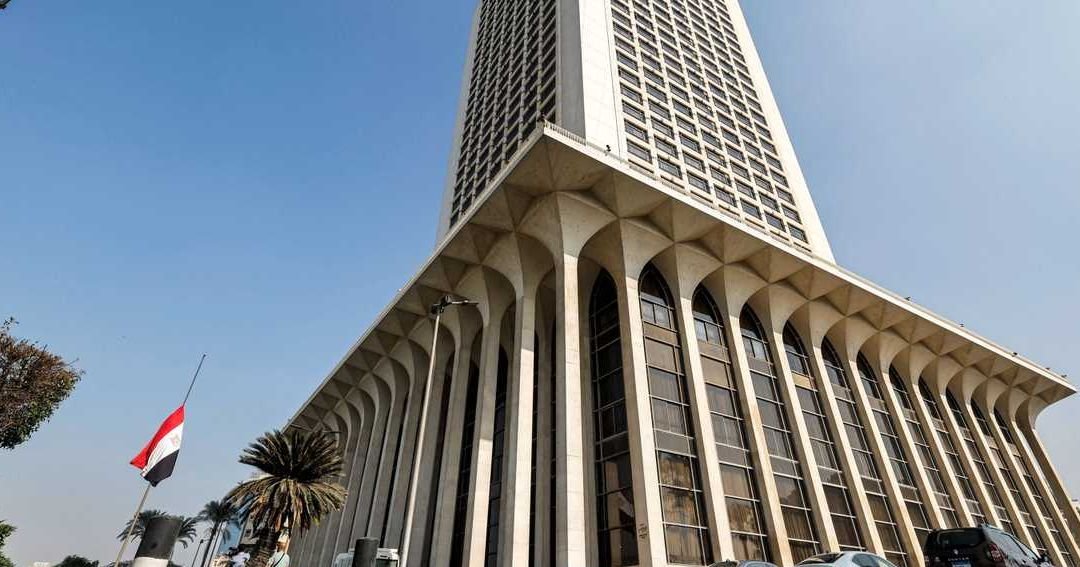
The Egyptian Ministry of Foreign Affairs has issued a formal statement expressing its categorical rejection of the Libyan Parliament’s decision to ratify a memorandum of understanding concerning maritime boundaries with Turkey. Cairo maintains that the agreement, which aims to delineate exclusive economic zones in the Mediterranean, is fundamentally invalid and lacks legal legitimacy.
The dispute centers on the memorandum of understanding signed between the Government of National Unity in Tripoli and the Turkish administration. Egypt, along with several other regional stakeholders, has consistently voiced concerns that such unilateral agreements infringe upon the sovereign rights of other Mediterranean coastal states and exacerbate existing regional tensions regarding energy exploration and maritime jurisdiction.
Cairo’s objection is rooted in its longstanding position that any maritime demarcation involving Libyan authorities must be handled through a consensus-based process that respects the rights of all neighboring countries in the Eastern Mediterranean. Egyptian officials have argued that the current administration in Tripoli lacks the legal mandate to enter into long-term international treaties that impact the maritime interests of the broader region. Furthermore, Egypt maintains that the agreement fails to conform to international maritime law standards and regional security frameworks.
The diplomatic friction highlights the ongoing struggle for influence and legitimacy in post-conflict Libya, where various political factions remain divided over the country’s foreign policy orientation. Turkey’s continued engagement with the Tripoli-based authorities has been a point of significant contention for Egypt, which has historically advocated for a more inclusive process to resolve the Libyan crisis and prevent external interference.
This latest development reflects the broader complexities inherent in the Eastern Mediterranean, a region currently characterized by high-stakes competition over offshore gas resources. For Egypt, protecting its maritime interests is a matter of national security, and the government has signaled that it will continue to challenge any legal or political actions that undermine its established sovereign rights. The rejection of the Turkish-Libyan maritime deal underscores the persistent geopolitical divide regarding the delimitation of economic zones and the strategic alignment of actors involved in the Libyan political transition.
As of now, the move by the Libyan Parliament has prompted a clear diplomatic standoff. While the Libyan legislative body has sought to assert its authority through the ratification process, Egypt remains steadfast in its refusal to recognize the validity of the memorandum. This situation remains a key factor in the complex web of diplomatic and security relations spanning from North Africa to the Eastern Mediterranean, with both sides showing no immediate signs of softening their respective stances on the legal legitimacy of the maritime borders.