Gaza Hospitals Face Critical Power Outage Threat
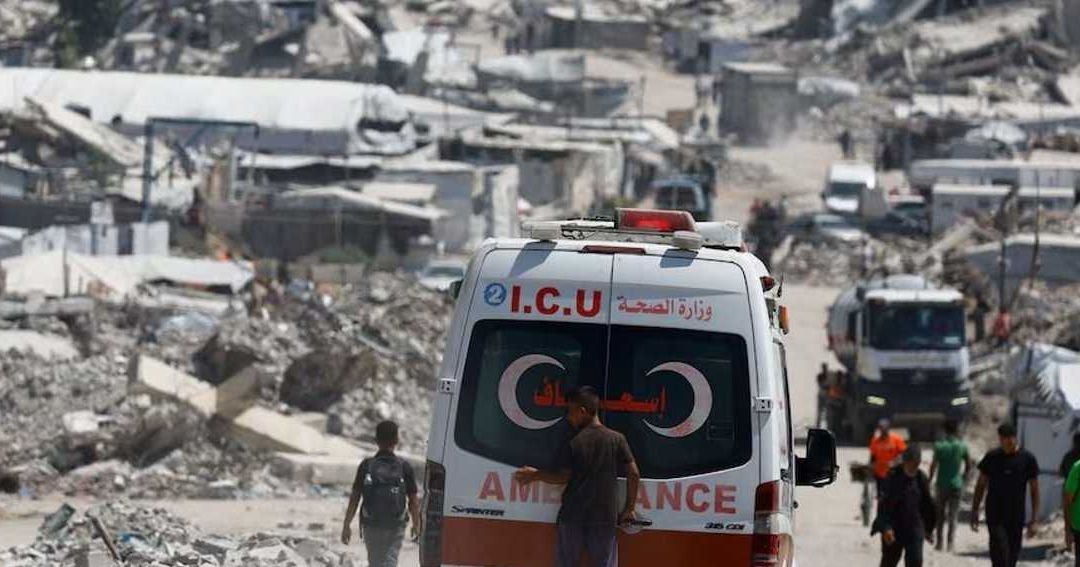
The Palestinian Ministry of Health issued a stark warning on Thursday regarding the precarious state of healthcare infrastructure in the Gaza Strip. According to officials, hospitals across the territory are facing the threat of an imminent and forced shutdown of electrical generators, a development that would effectively paralyze medical services for the local population.
The crisis stems from a critical shortage of essential supplies, specifically the total depletion of lubricating oils required to maintain the generators. Without these lubricants, the machinery currently powering life-saving equipment, intensive care units, and surgical theaters is at high risk of immediate mechanical failure. Officials noted that the engines are now vulnerable to direct damage and complete combustion at any moment, leaving medical facilities with no alternative power source to maintain essential operations.
The potential failure of these generators represents a catastrophic development for the healthcare sector in Gaza, which has been under extreme strain. The loss of electrical power would render diagnostic equipment, ventilation systems, and refrigeration for medicines and vaccines unusable. The inability to operate these generators threatens to bring a complete halt to medical care in facilities that are already struggling to cope with the needs of the population.
Healthcare workers and administrators have been warning for some time that the sustainability of vital infrastructure in the region is heavily dependent on the steady flow of fuel and maintenance materials. The exhaustion of these specific mechanical supplies marks a new phase in the operational difficulties facing hospitals, as the reliance on aging or heavily utilized equipment without proper maintenance components leads to irreversible hardware failure.
While international aid and humanitarian efforts have periodically attempted to address energy deficiencies in the region, the current logistical reality has resulted in the total absence of the lubricating fluids necessary for the safe, long-term operation of the power grid. The Ministry of Health’s announcement underscores the urgency of the situation, as the cessation of power would have immediate and life-threatening consequences for patients currently reliant on hospital care.
As of this reporting, the administration remains in a state of high alert, warning that the structural integrity of the electrical systems is compromised. The continued inability to secure these specific supplies suggests that the window for preventing a widespread blackout within the medical sector is closing rapidly, with authorities unable to guarantee the continuity of service under current conditions.