

Mansour Abbas Denounces Netanyahu’s Claims of Election Fraud
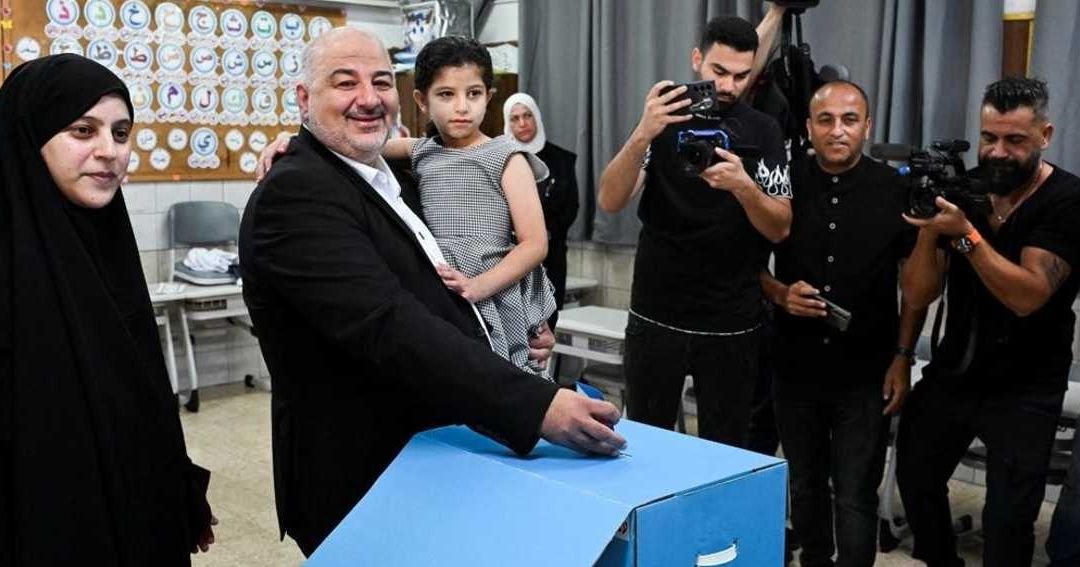
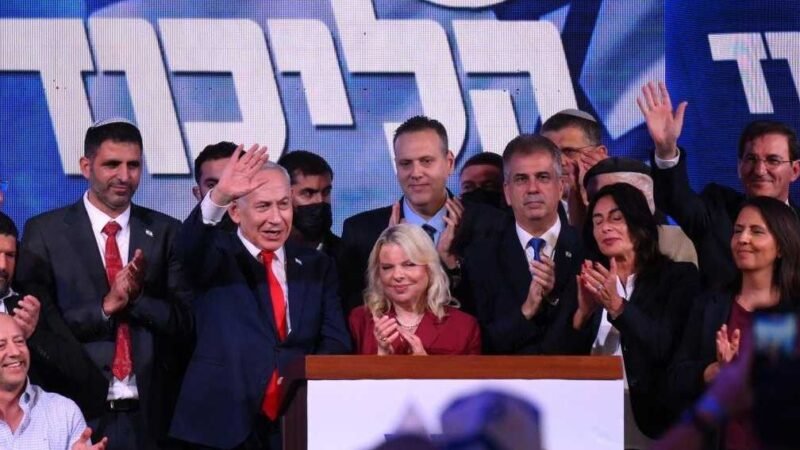
Mansour Abbas, the leader of the United Arab List (Ra’am), has formally responded to comments made by Israeli Prime Minister Benjamin Netanyahu regarding the ongoing electoral process. The tension stems from recent public remarks by the Prime Minister alleging that Arab political factions are planning to ‘steal’ the results of the 26th Knesset elections, which are taking place this Tuesday.
In a direct rebuttal to the Prime Minister’s claims, Abbas categorized the rhetoric as a dangerous form of political incitement. The United Arab List leader emphasized that such narratives are designed to delegitimize the democratic participation of Arab citizens and undermine the integrity of the electoral system. Abbas asserted that his party remains committed to the established legal framework governing the elections and rejected the Prime Minister’s assertions as baseless accusations aimed at influencing voter turnout through fear-mongering.
The exchange highlights the increasingly polarized environment surrounding the current parliamentary elections in Israel. For the United Arab List, the accusations touch upon fundamental issues of political representation and the rights of the Arab minority within the state. By framing the electoral participation of Arab parties as an attempt to undermine the election, the Prime Minister’s rhetoric has drawn sharp criticism from political opponents who argue that such language exacerbates social divisions and discourages civic engagement among the Arab populace.
The United Arab List has consistently campaigned on a platform centered on addressing the socio-economic challenges facing Arab communities, including issues related to infrastructure, crime, and civil rights. Throughout the campaign cycle, the party has sought to position itself as a pragmatic force capable of influencing national policy to better serve its constituency. However, the current cycle has been marked by intense debate over the role and influence of Arab parties in forming a governing coalition.
As citizens head to the polls this Tuesday, the rhetoric surrounding the integrity of the vote remains a focal point of the political discourse. Abbas’s firm rejection of the Prime Minister’s claims signals a heightened sensitivity to how political narratives are being used to shape the electorate’s perception of Arab participation in the Israeli democratic process. Analysts note that such friction is emblematic of the broader challenges facing the political landscape as the country navigates yet another high-stakes election, with both major political blocs vying to secure a decisive majority in the Knesset. The response from the United Arab List underscores the party’s determination to defend its legitimacy in the face of what it describes as systematic attempts to marginalize its political voice and influence.