

Netanyahu Faces Internal Pressure Over Haredi Conscription Concerns
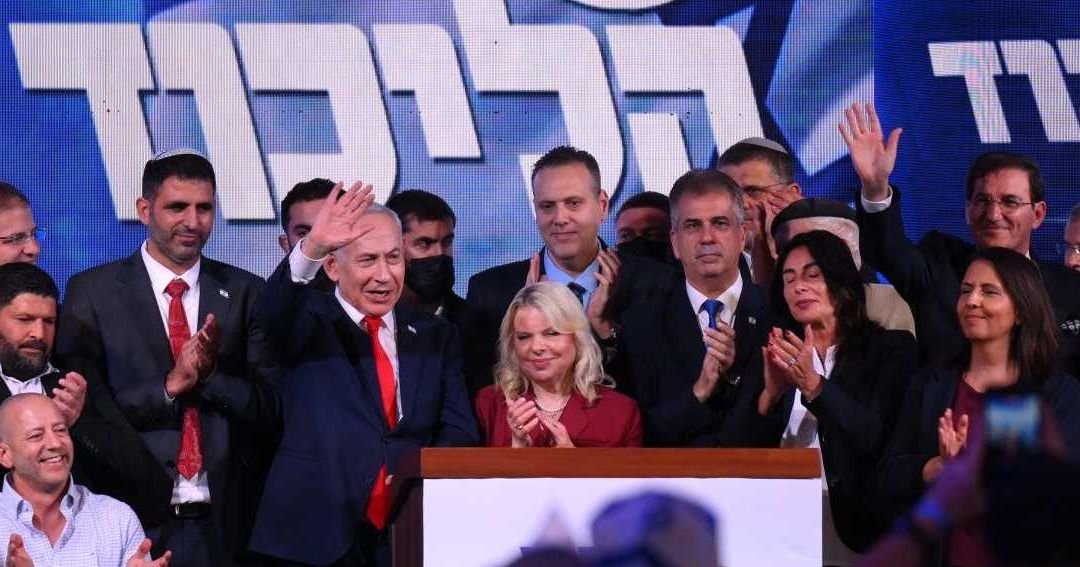
Israeli Prime Minister Benjamin Netanyahu has encountered significant political turbulence as he sought to consolidate support among the Haredi community in the final hours before polling stations closed. Recent reports from Israel’s Channel 13 have brought to light the details of a tense telephone conversation that highlights the deep-seated divisions and voter frustration currently complicating the Prime Minister’s electoral efforts.
During the call, which was intended as a final push to mobilize the ultra-Orthodox electorate, Netanyahu was confronted with a stark reality: the persistent grievance regarding unfulfilled promises concerning military recruitment exemptions for the Haredi population. The issue of conscription remains one of the most volatile topics in Israeli domestic politics, representing a fundamental clash between the secular and religious segments of society.
According to the details emerging from the communication, the Prime Minister faced direct and pointed criticism from his interlocutor. The conversation reportedly reached an emotional peak when participants expressed intense frustration over the lack of legislative progress regarding the military draft status of ultra-Orthodox seminary students. This issue has long been a centerpiece of political maneuvering, with Haredi parties exerting pressure on the government to secure legal protections against conscription into the Israel Defense Forces (IDF).
The atmosphere during the exchange underscored the difficulty the incumbent government has faced in balancing its coalition commitments with broader societal demands. For the Haredi leadership and their constituency, the failure to address the draft issue is viewed as a betrayal of the political compact, threatening to alienate a key support base that is vital for the electoral success of the right-wing bloc led by Netanyahu.
The inclusion of personal intervention in the call, as suggested by the reports, further highlights the sensitivity of the situation. The volatility displayed during this high-stakes interaction illustrates the challenges inherent in managing a coalition that relies on deeply polarized groups. As the Prime Minister sought to drive turnout, the pushback he received serves as a reflection of the wider national debate on equity, national service, and the political influence of religious institutions in Israel.
This incident provides a window into the complex internal dynamics that define current Israeli political life. The persistent tension surrounding the conscription question is not merely a matter of administrative policy but a core element of the national identity debate, which continues to shape the strategies and electoral fortunes of the nation’s political leadership. While the government maintains its focus on securing a parliamentary majority, the unresolved nature of these domestic issues continues to provide significant friction in the path toward political stability.