Rubio Attributes Houthi Military Capabilities to Iranian Support
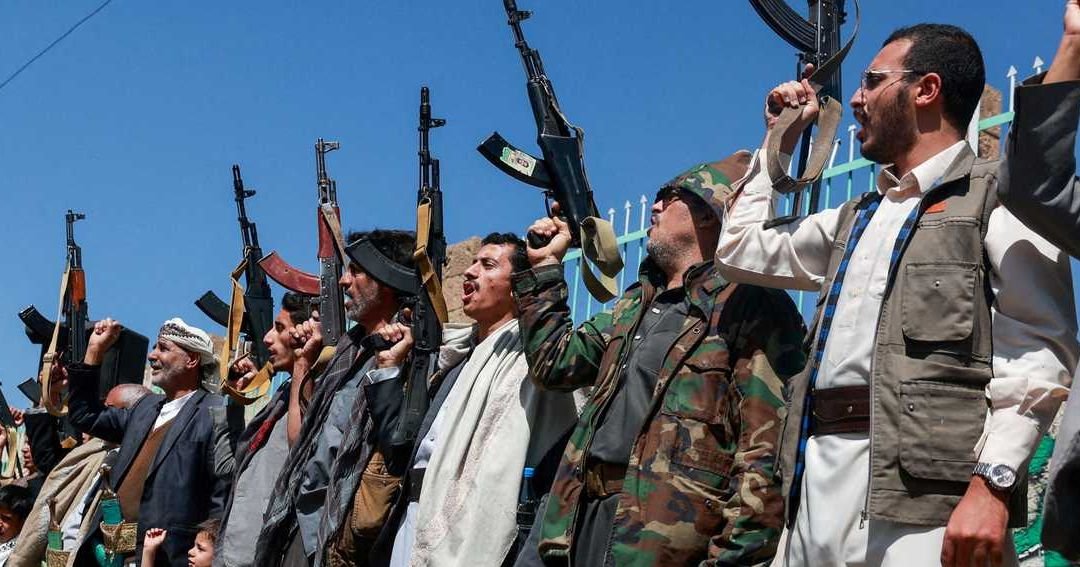
United States Secretary of State Marco Rubio has identified direct Iranian involvement as the critical driver behind the enhanced military capabilities of the Houthi movement in Yemen. According to information released by the United States Embassy in Yemen, the Secretary’s assessment emphasizes that Tehran’s continued support is the foundational element that has empowered the group to sustain and escalate its operations.
The Houthi movement, which has exerted significant control over large swathes of northern Yemen and the capital Sana’a for nearly a decade, has increasingly demonstrated a sophisticated range of military technology. International observers and various government entities have long scrutinized the supply lines and technical assistance provided to the group, pointing toward an established network of regional support. Rubio’s recent remarks underscore the official American position that these capabilities are not indigenous to the Houthi forces but are rather the product of systematic Iranian assistance.
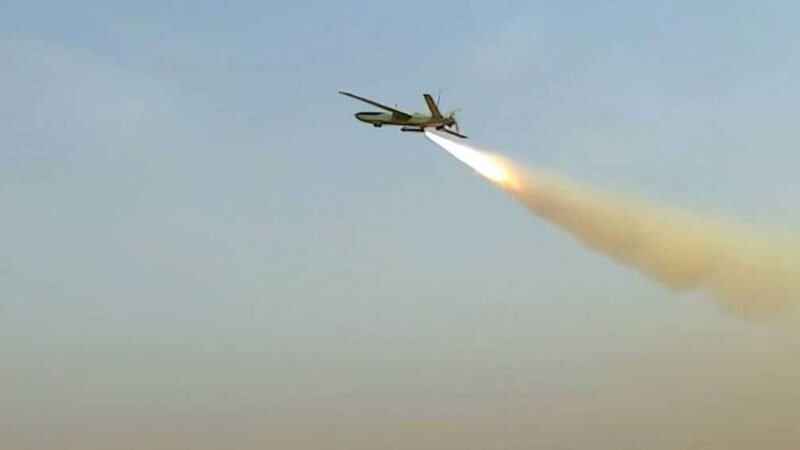
The implications of this relationship remain a central concern for regional security and international maritime stability. The Houthis have frequently utilized drones, ballistic missiles, and advanced weaponry to target interests across the Arabian Peninsula and disrupt commercial shipping lanes in the Red Sea. The U.S. administration’s stance reinforces the view that the operational effectiveness of the Houthi forces is inextricably linked to the military and logistical backing provided by the Iranian state.
This assessment from the Secretary of State comes amidst ongoing efforts by international and regional actors to achieve a lasting peace in Yemen. The conflict has triggered one of the world’s most severe humanitarian crises, causing widespread displacement and food insecurity for millions. Despite various ceasefire initiatives and back-channel negotiations, the military buildup of the Houthi faction remains a primary obstacle to a comprehensive political settlement.
The U.S. government continues to monitor the flow of materiel and technical intelligence into Yemen, asserting that cutting off this support is essential for regional de-escalation. By highlighting the Iranian component of the conflict, the U.S. aims to keep the focus on the external actors it believes are fueling the regional instability. As tensions persist in the Red Sea and across the wider Middle East, the intersection of Houthi military activity and Iranian foreign policy remains a focal point for American diplomatic and security strategy in the region.
The official statement from the U.S. mission in Yemen highlights the Biden administration’s commitment to holding those who provide military aid to the group accountable. As diplomatic engagement continues, the influence of Tehran on local militias remains a critical metric in how global powers interpret the security landscape within the Arab world and the broader Middle East.