

UK Imposes New Sanctions on Houthi Leadership Over Regional Instability
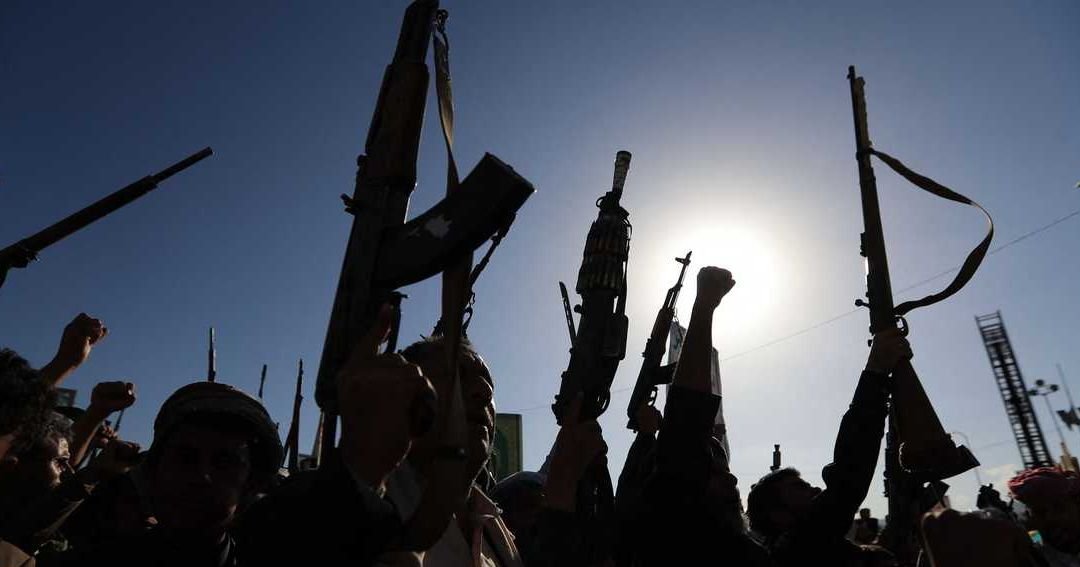
The British government announced a significant escalation in its policy toward the Houthi movement in Yemen on Tuesday, unveiling a new package of sanctions aimed at curtailing the group’s destabilizing activities. The measures target four prominent leaders within the organization, reflecting growing international concern over the group’s actions in the Middle East and its ongoing impact on regional security.
In an official statement, the UK government confirmed that the sanctions are a direct response to the Houthi group’s role in orchestrating activities that threaten peace and stability in the region. Beyond these geopolitical concerns, the British authorities cited the involvement of these high-ranking officials in severe human rights violations as a primary driver for the restrictive measures. By targeting key figures, London aims to increase pressure on the Houthi leadership, signaling that the ongoing disruption of maritime security and regional stability will continue to be met with firm diplomatic and financial consequences.
The sanctions represent a targeted approach to managing the threat posed by the Houthi movement, which has increasingly utilized its military capabilities to challenge the status quo in the Arabian Peninsula. The UK’s latest action aligns with its broader commitment to supporting international efforts to address the conflict in Yemen and mitigate the risks posed by non-state actors who threaten global shipping lanes and regional order.
This move by the United Kingdom follows a period of heightened concern regarding the security situation in the Red Sea and surrounding waters, where the Houthi group has consistently targeted international interests. The British government has maintained that such acts of aggression are inconsistent with international norms and that the individuals responsible must be held accountable. The sanctions will include asset freezes and travel bans, effectively isolating these individuals from the international financial system and limiting their ability to travel.
The British government reiterated that this diplomatic and financial pressure is designed to compel the Houthi leadership to reconsider its hostile trajectory. While the international community continues to pursue a peaceful resolution to the conflict in Yemen, the UK has underscored its willingness to utilize its diplomatic toolkit to address the root causes of the instability originating from Houthi-controlled territories. These sanctions serve as a clear indication that the United Kingdom intends to remain active in curbing the influence of those who compromise the security of the Middle East, specifically highlighting the direct nexus between the group’s activities and the human rights abuses reported within their areas of operation. The decision reflects the strategic priority placed by the UK on ensuring that the Red Sea remains a secure corridor for global trade and that the sovereignty of the region is protected from further encroachment by insurgent groups.