

US Imposes Travel Restrictions Amid Ebola Concerns in Sudan
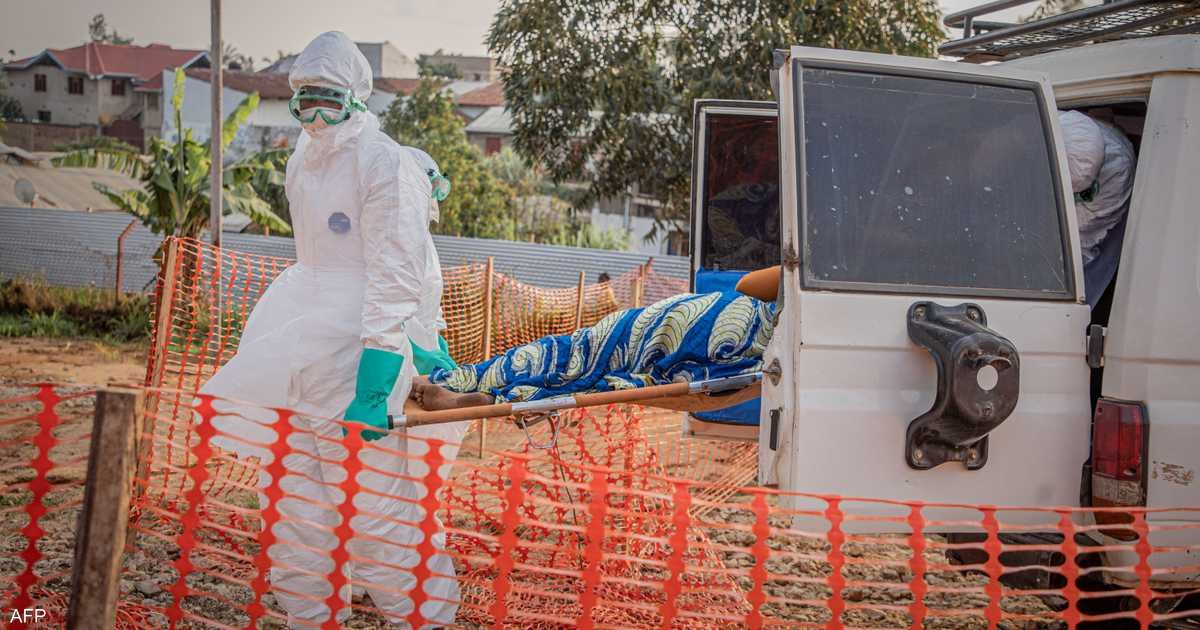
The United States government has announced the implementation of temporary, enhanced travel screening protocols for individuals arriving from several African nations, including Sudan, as part of a proactive strategy to contain the risk of Ebola transmission. These measures follow emerging health concerns within the region and are designed to bolster domestic biosecurity efforts by identifying and monitoring travelers who have recently been present in affected areas.
While the primary focus of the mandate centers on travelers originating from countries identified as high-risk, the inclusion of Sudan highlights the interconnected nature of regional migration patterns and international health security. Health authorities have emphasized that these measures are precautionary, aiming to provide an additional layer of oversight without implementing total travel bans. Travelers arriving from the designated countries will be directed to specific airports where enhanced screening procedures, including temperature checks and health assessments, can be conducted by federal health officials.
The inclusion of Sudan in these US security measures underscores the critical intersection between humanitarian stability in North Africa and international health diplomacy. As Sudan continues to navigate its own internal political and security challenges, the movement of people across borders remains a significant factor for international observers monitoring both epidemiological risks and regional stability. These protocols are part of a broader US effort to engage with international partners to contain outbreaks at their source before they gain the potential to affect global travel corridors.
For international stakeholders and governments across the Middle East and North Africa, the move signifies an increased sensitivity toward global health security. The administration’s decision reflects a heightened standard for border control and surveillance in response to infectious disease threats, a policy shift that may necessitate closer cooperation between North African health ministries and global organizations. As these screening processes take effect, logistical preparations are expected to focus on ensuring that travel from the affected regions is managed transparently, minimizing disruption while maintaining the integrity of public health safeguards.
This policy development serves as a reminder of how health crises in sub-Saharan Africa can carry direct implications for North African nations, particularly regarding border security and international transit. Governments across the MENA region, particularly those with significant economic and humanitarian ties to Sudan, will likely monitor these US measures closely as they evaluate their own domestic health policies and border management strategies in the coming months. The US Department of Health and Human Services, alongside the Centers for Disease Control and Prevention, remains in coordination with regional health officials to assess the evolving situation and refine travel requirements as necessary.