

Iran Hardens Position on Hormuz Strait, Demands US Compensation
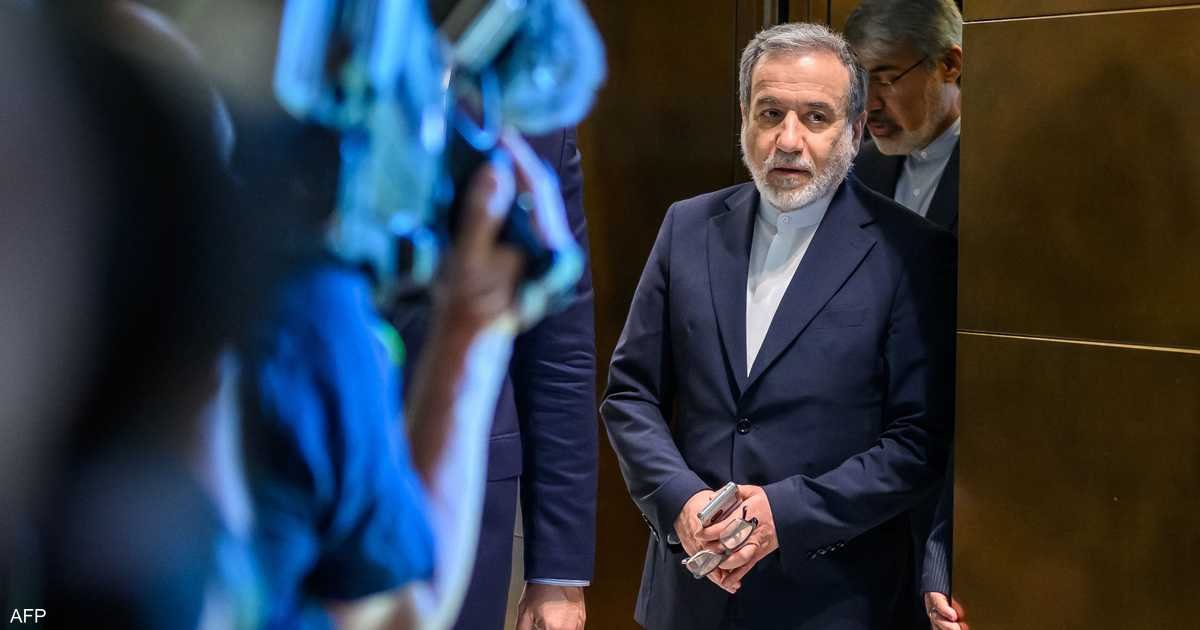
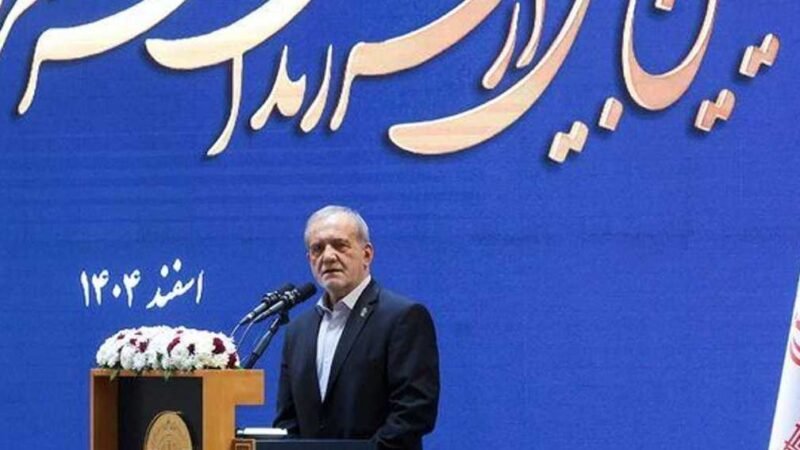
Tehran has escalated its rhetoric regarding the strategic Strait of Hormuz, throwing cold water on recent expectations of a breakthrough in maritime navigation. Despite ongoing discussions between Iranian officials and their counterparts in Oman, authorities in Tehran have clarified that any agreement will be contingent upon substantive financial compensation from the United States.
The development marks a significant shift in the standoff over one of the world’s most critical energy corridors. International optimism had been building following reports of a potential maritime framework being brokered by Muscat, which many observers hoped would stabilize shipping routes that have been subject to increasing Iranian pressure. However, the latest stance from the Iranian leadership underscores that security for international vessels is now being leveraged as a core component of its broader diplomatic and economic dispute with Washington.
By insisting that maritime safety is not a decoupled issue, Iran is effectively tying the flow of global energy supplies directly to the lifting of sanctions and the settlement of outstanding grievances with the US. This strategy complicates the role of regional mediators, such as Oman, who have historically maintained a neutral stance to facilitate dialogue between Tehran and Western powers. The demand for compensation suggests that the Iranian government is unwilling to return to the status quo without extracting significant political or economic concessions.
The Strait of Hormuz serves as a vital artery for global energy markets, with a significant percentage of the world’s daily oil and liquid natural gas production passing through the narrow passage. Any sustained disruption or conditional access to the strait poses a severe risk to global economic stability and energy security, particularly for the nations of the Gulf Cooperation Council (GCC) whose export infrastructure relies entirely on unimpeded access to the Persian Gulf.
Energy analysts have expressed concern that this hardening of the Iranian position signals a prolonged period of volatility. While diplomatic channels remain open through regional intermediaries, the insistence on US-led restitution as a precondition for normal transit suggests that the crisis is unlikely to be resolved through technical or maritime agreements alone. Instead, the situation is increasingly becoming a focal point for the wider geopolitical struggle between Iran and the United States, leaving the international maritime community to contend with a period of persistent uncertainty in the Gulf region.