

US Central Command Diverts 53 Ships Amid Iran Sanctions Enforcement
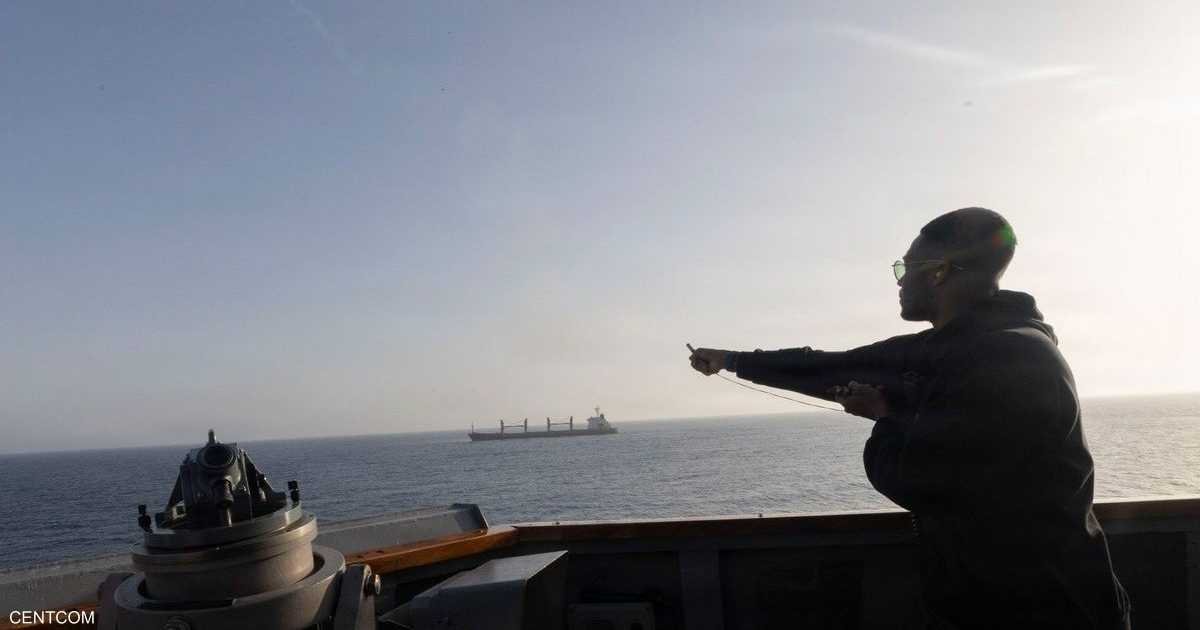
The United States Central Command (CENTCOM) has announced that it has redirected the transit routes of 53 commercial vessels as part of its ongoing mission to enforce international sanctions against Iran. This strategic move is part of a broader, sustained effort by the United States to monitor and restrict maritime activity deemed in violation of the economic and security measures currently imposed on the Islamic Republic.
The announcement highlights the active role of U.S. naval forces in the region, focusing on maritime security and the enforcement of international policies regarding Iranian commerce. While CENTCOM did not disclose the specific identities of the vessels or their original destinations, the decision to alter the transit paths of such a significant number of ships underscores the intensity of the maritime oversight currently being exercised in the waters surrounding Iran.
This development is reflective of the ongoing geopolitical tension between Washington and Tehran, particularly concerning the regulation of trade and the movement of goods in vital waterways. The enforcement of these sanctions involves constant monitoring of commercial traffic, with naval authorities acting to prevent illicit activities that the U.S. government maintains are funding the Iranian state’s regional activities and its internal security apparatus.
Maritime security in the Persian Gulf and the surrounding areas remains a critical priority for the United States, given the high volume of international trade that passes through these routes. The diversion of these 53 vessels indicates that the U.S. military is maintaining a high operational tempo in the region to ensure that its sanction mandates are strictly upheld. By altering the paths of these ships, CENTCOM aims to disrupt supply lines and economic channels that the U.S. believes are linked to the Iranian government.
These operations are part of a long-standing U.S. policy aimed at curbing Iran’s influence and putting economic pressure on the state through the strict enforcement of sanctions. As the situation in the region continues to evolve, the maritime domain remains a primary theater where the U.S. demonstrates its commitment to maintaining the current sanctions regime. The scale of this intervention—affecting 53 vessels in a single reporting period—illustrates the granular level of surveillance and intervention being conducted by CENTCOM in the maritime space. The U.S. military continues to position its assets strategically to detect, track, and intercept vessels suspected of circumventing existing prohibitions, reinforcing the regional posture of Washington against Tehran.