

Iran Conditions Reopening of Strait of Hormuz on Lifting US Sanctions
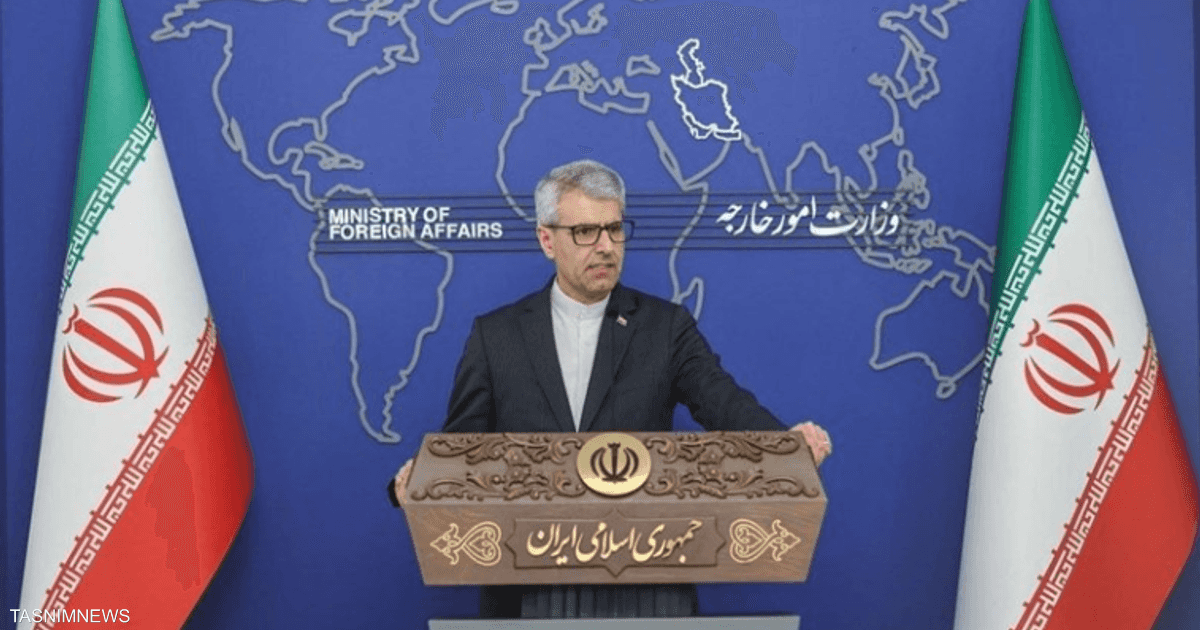
Tehran’s Ministry of Foreign Affairs announced on Monday that the future status of the Strait of Hormuz—one of the world’s most critical maritime corridors for global energy supplies—is directly tied to the status of international maritime restrictions. Officials declared that the reopening of the strategic waterway is strictly conditional upon the lifting of the maritime blockade currently enforced by the United States.
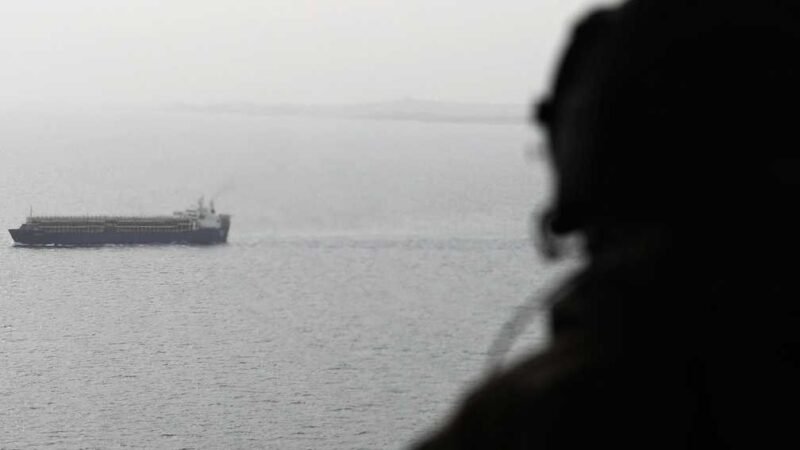
The Strait of Hormuz serves as a vital artery for the global oil and gas trade, with a significant percentage of the world’s daily petroleum supply passing through the narrow passage. Tensions regarding the control and security of this corridor have remained a primary source of geopolitical friction in the Middle East, particularly involving the Islamic Republic of Iran and Western powers.
The statement from the ministry underscores the Iranian government’s position linking domestic economic and security policy to its regional maritime posture. By characterizing the current situation in the Strait as a response to foreign policy pressures, Tehran has placed the issue of maritime transit within the broader context of its ongoing standoff with Washington regarding economic sanctions. The Iranian administration has consistently maintained that its ability to operate freely within its maritime borders is hampered by international actions, leading to the current state of restricted access.
Energy analysts and regional observers have long highlighted that any disruption or alteration to the status quo in the Strait of Hormuz poses a significant challenge to global energy markets. The volatility of the region is further exacerbated when maritime security is used as a diplomatic lever in broader negotiations. The announcement highlights that the core of the impasse rests on the demand for the cessation of US-led naval and economic pressure, which Tehran describes as a blockade.
As the situation develops, the focus remains on whether these diplomatic conditions will lead to a change in the operational status of the strait. The Iranian government’s official stance reaffirms its commitment to its current policy, insisting that the removal of restrictions is a prerequisite for any shift in the maritime environment. For international stakeholders, this development emphasizes the persistent linkage between regional maritime security in the Middle East and the diplomatic tensions between Iran and the United States, keeping global energy corridors at the center of the regional security discourse.