

Lebanese Lawmakers Face Backlash Over Pay Hike Amid Economic Crisis
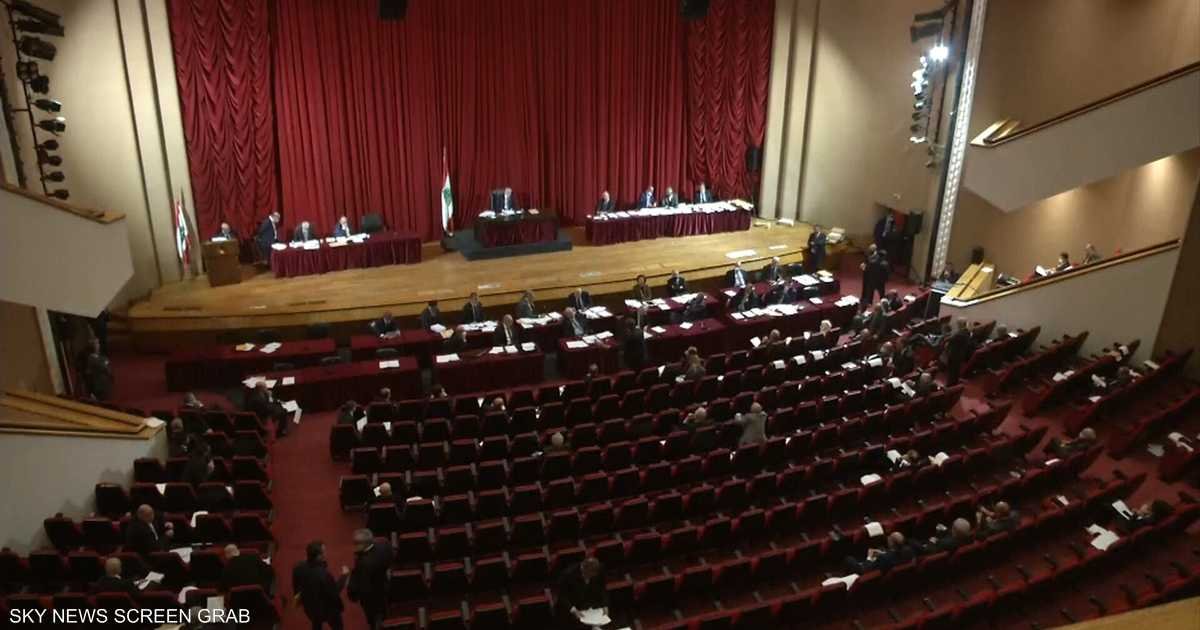
A decision to raise the monthly salary of Lebanese members of parliament to $5,000, effective this September, has triggered a wave of public anger and intense legal scrutiny across the country. The move, which effectively increases total compensation from the previous level of roughly $3,000, comes at a time when Lebanon remains deeply mired in a severe and protracted economic collapse that has decimated the purchasing power of its citizens.
For years, Lebanon has grappled with one of the most significant financial crises in modern history. The nation’s currency has lost the vast majority of its value, leading to hyperinflation that has pushed a substantial portion of the population into poverty. As public sector employees, members of the armed forces, and retirees struggle to meet basic living requirements such as food, medicine, and electricity, the announcement of a salary increase for legislators has been met with sharp criticism from civil society and economic observers.
The parliamentary pay raise has also ignited a complex legal and political debate. Critics argue that the decision is insensitive to the plight of the general public and highlights a disconnect between the political class and the reality faced by the average citizen. As the state struggles to fund essential services and balance its budget, the optics of prioritizing salary adjustments for politicians have proven particularly divisive.
Lebanon’s economic trajectory has been marked by a lack of fundamental reforms, leaving the state reliant on limited resources and struggling to secure international financial support. The outcry over the salary hike reflects a broader frustration with the political establishment, which many citizens blame for the systemic failures that have fueled the ongoing crisis. The current debate underscores the deepening rift between the government and a populace that continues to face mounting challenges in securing even the most basic necessities of life. While the political establishment maintains its stance regarding the necessity of the adjustment, the public reaction highlights the ongoing instability and social friction that characterize the current climate in Lebanon.