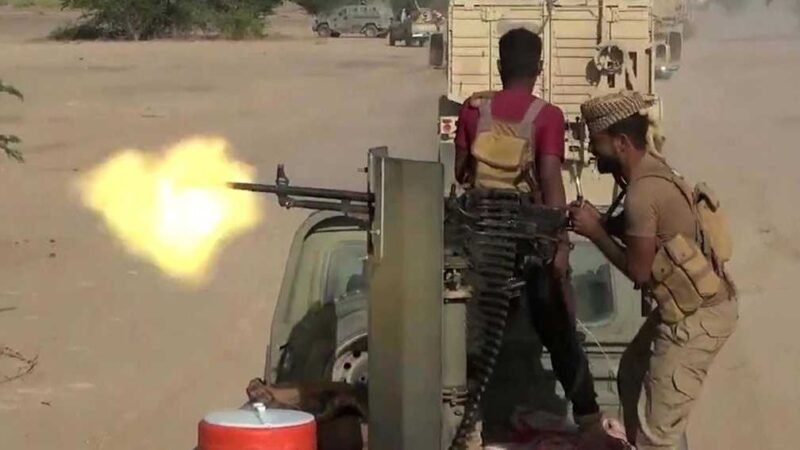


Trump Links Future Peace Negotiations with Iran to War Reparations
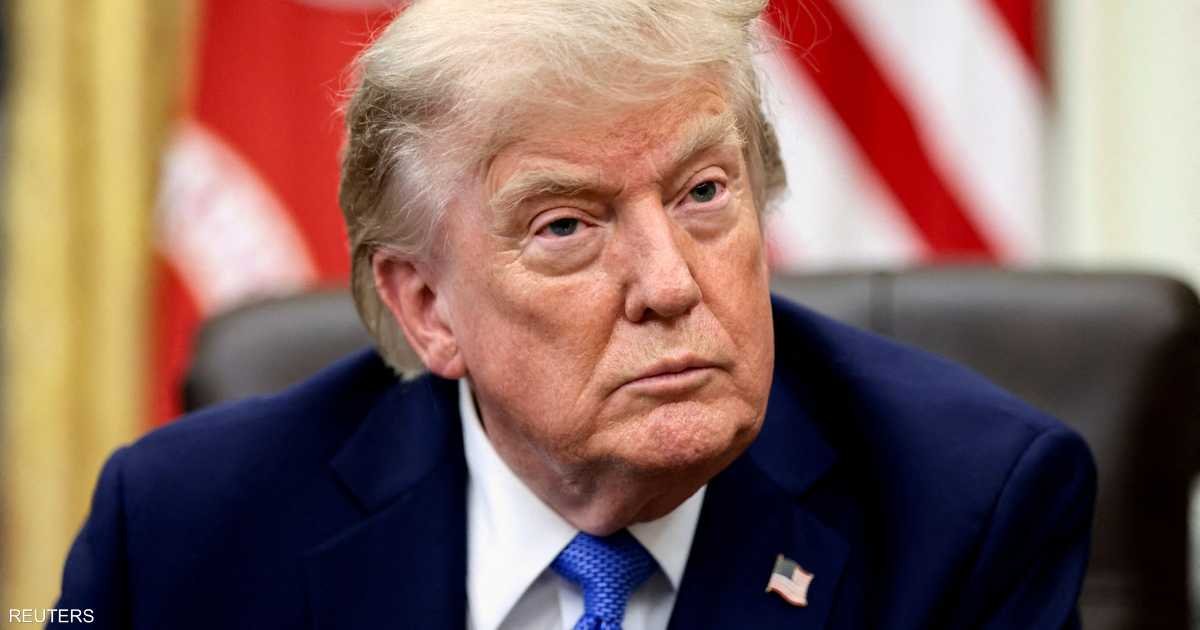
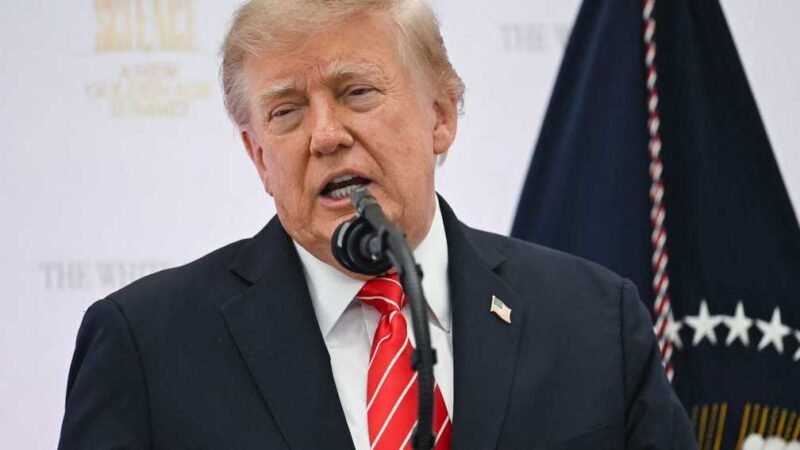
In a significant development concerning the future of U.S.-Iran relations, former President Donald Trump announced on Monday that he would pursue financial reparations from Iran as a core component of any future peace negotiations. This demand marks a new escalation in the diplomatic rhetoric surrounding the long-standing tensions between Washington and Tehran.
During his statement, Trump highlighted the necessity of addressing historical grievances that have strained relations between the two nations for decades. He specifically referenced various attacks and acts of violence that occurred over the last several years, for which he claimed Iranian authorities or their proxies were responsible. By tethering future diplomatic engagement to the issue of compensation, Trump is setting a rigorous framework for any potential path toward de-escalation.
The proposal focuses on historical security challenges that have characterized the regional landscape. Throughout his previous term in office and during subsequent political discourse, Trump maintained a policy of maximum pressure against Iran, characterized by stringent economic sanctions and the withdrawal from the Joint Comprehensive Plan of Action (JCPOA). The introduction of a demand for reparations signifies an attempt to expand the scope of diplomatic leverage beyond nuclear policy and regional security, incorporating the settlement of past liabilities into the negotiation process.
The announcement comes amidst ongoing debates regarding the efficacy of past strategies in managing the U.S.-Iran dynamic. By framing the conversation around the demand for reparations for historical support of regional instability, the approach signals a hardening of the American stance. It suggests that any move toward future peace, should it arise, would not merely focus on existing security frameworks but would also necessitate a reconciliation of past actions that Washington deems detrimental to its strategic interests and regional stability.
While the proposal remains a campaign-era declaration, it serves as a clear indication of how a future diplomatic track might be structured. The demand for compensation is expected to further complicate an already intricate relationship, as Iran has consistently denied allegations regarding its involvement in past attacks and the support of militant operations throughout the region. As the diplomatic environment continues to evolve, the inclusion of financial restitution as a prerequisite for dialogue adds a volatile new dimension to the geopolitical struggle between the two powers. Observers of the MENA region will be closely monitoring how such conditions might influence future diplomatic maneuvers, particularly as they directly involve core security concerns between the United States and Iran.