

Sudan Expert Warns of Risks in Iranian Support for Sudanese Army
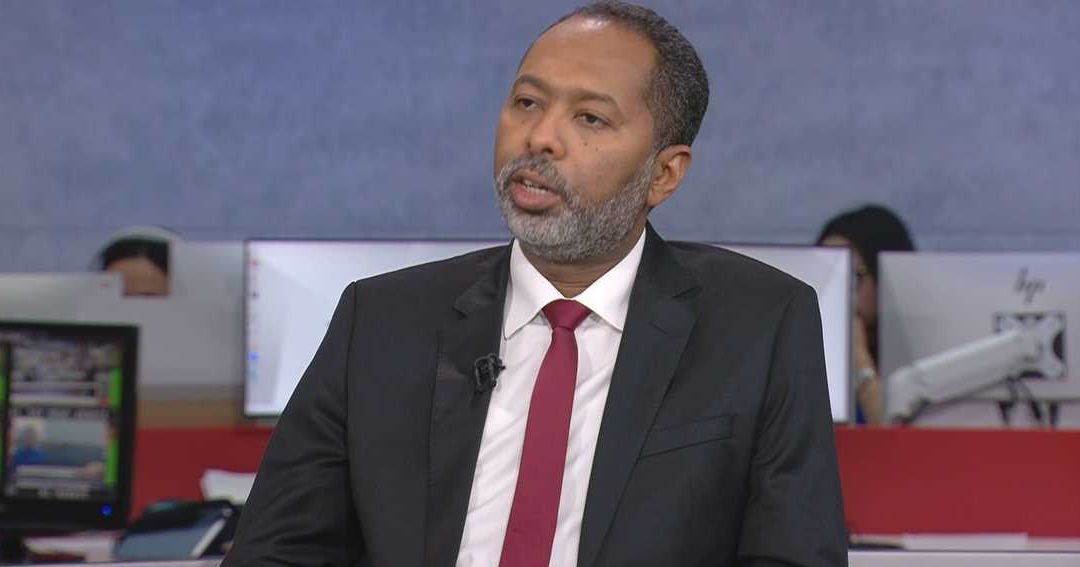
A prominent expert on Sudanese affairs, Khaled Omar, has issued a stark warning regarding the deepening involvement of external actors in Sudan’s ongoing civil war. Specifically, Omar has highlighted the dangerous implications of Iranian military and political support for the Sudanese Armed Forces (SAF) and various Islamist factions within the country.
As the conflict continues to ravage Sudan, creating one of the world’s most significant humanitarian crises, Omar argued that any viable political process must treat the cessation of hostilities as its absolute priority. He cautioned that current diplomatic efforts, if they fail to address the immediate necessity of silencing the guns, risk further entrenching the deep-seated divisions that have paralyzed the nation since the war broke out.
The expert’s remarks underscore growing regional concerns regarding the internationalization of the Sudanese conflict. By aligning with specific domestic actors, external powers such as Iran are accused of complicating an already intricate landscape of shifting loyalties and competing interests. According to Omar, the injection of external military support not only fuels the flames of a war that has already displaced millions but also undermines the prospects for a unified, sovereign state in the aftermath of the fighting.
The warning serves as a critique of ongoing diplomatic initiatives that some observers fear are being used as a platform for political posturing rather than meaningful conflict resolution. Omar emphasized that any dialogue that ignores the immediate humanitarian imperative of stopping the violence effectively grants legitimacy to the current status quo, which is characterized by fractured control and widespread instability.
The involvement of Islamist elements, reportedly emboldened by external support, remains a significant point of contention in the Sudanese political discourse. Omar noted that these alignments are not merely tactical in nature but carry broader regional consequences, potentially shifting the balance of power in North Africa and the Red Sea corridor. The expert’s commentary suggests that such interference threatens to turn Sudan into a theater for proxy rivalries, which could leave the country vulnerable to long-term fragmentation.
Ultimately, Omar’s analysis calls for a more disciplined approach to the Sudanese peace process, one that focuses on de-escalation and the prevention of further regional entanglement. As international mediators struggle to bring the warring parties to a sustainable consensus, the warning serves as a reminder of the high stakes involved for both Sudan and the wider MENA region, where the spillover effects of such conflicts remain a persistent threat to collective stability.