

Satellite Imagery Detects Major Oil Spills in Strait of Hormuz

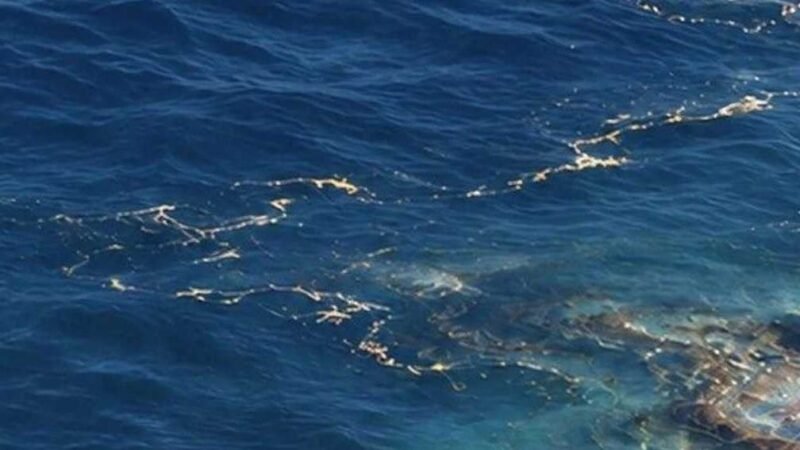
New satellite imagery has confirmed the presence of five large oil slicks within the Strait of Hormuz, according to reports from environmental organization Greenpeace. The discovery of these spills highlights ongoing environmental risks associated with one of the world’s most critical maritime corridors for global energy transit.
The Strait of Hormuz, a narrow waterway situated between Iran and Oman, serves as a vital artery for the global oil trade, with a significant percentage of the world’s petroleum passing through its waters daily. The identification of these large slicks raises serious questions regarding the environmental impact on the region’s marine ecosystems and the potential challenges in managing maritime pollution in such a heavily trafficked and geostrategically sensitive area.
While satellite monitoring is frequently used to track maritime activity in the region, the confirmation of multiple, significant oil patches underscores the necessity for constant vigilance in monitoring the environmental health of these waters. The presence of oil spills in this corridor poses a persistent threat to regional maritime security and the delicate biodiversity of the Persian Gulf and the Gulf of Oman. Such incidents often trigger complex cross-border environmental management challenges, requiring coordination among the littoral states that border the waterway.
To date, there has been no specific information provided regarding the origin of the oil or the parties responsible for the spill. The nature of shipping traffic in the Strait of Hormuz, which includes a high density of oil tankers and commercial vessels, complicates the task of attributing the spills to specific sources. Previous environmental assessments in the region have often pointed to accidental leaks, routine maritime operations, or illicit dumping as common factors contributing to pollution, though the scale and frequency of such events remain a subject of intense monitoring by regional and international observers.
The detection of these spills serves as a reminder of the fragility of the marine environment in the Middle East. As global energy demand continues to rely on the safe transit of oil through these narrow waters, the management of pollution remains an essential component of the regional security and environmental agenda. Local authorities and relevant international maritime bodies are expected to remain focused on mitigating the spread of the oil to protect regional coastlines and prevent long-term damage to the marine habitat. The situation remains under observation as stakeholders assess the environmental impact and the necessary measures to address the potential sources of the contamination within this critical maritime passage.