Macron and al-Sharaa Discuss Syrian Reconstruction and Energy Security
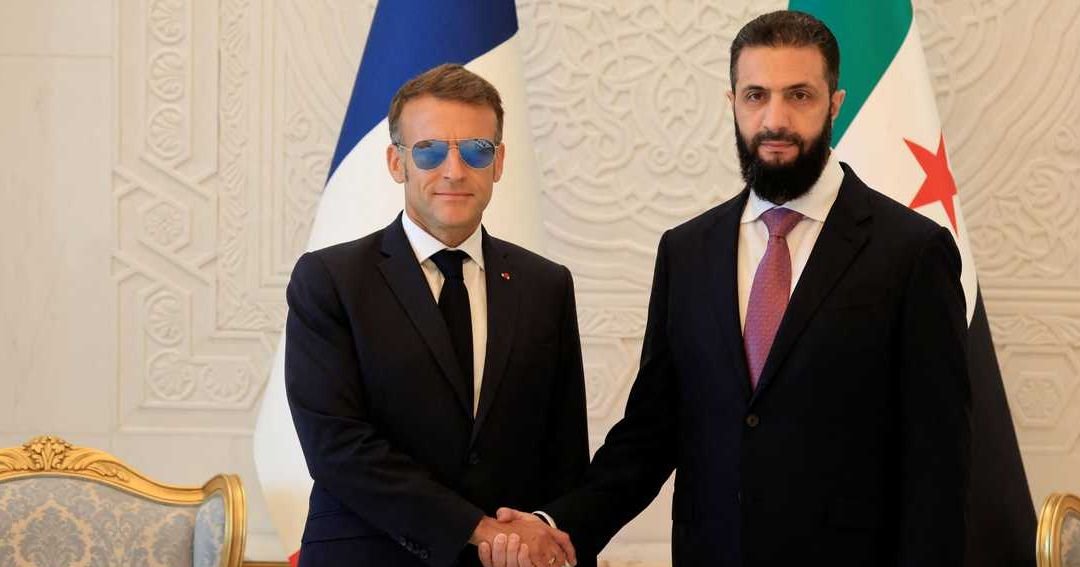
French President Emmanuel Macron and Syrian leader Ahmed al-Sharaa have engaged in high-level discussions centered on the post-conflict reconstruction of Syria and the strategic development of the nation’s infrastructure. The talks, which focused on the long-term stability of the region, underscored the importance of reintegrating Syrian energy capabilities into broader international frameworks.
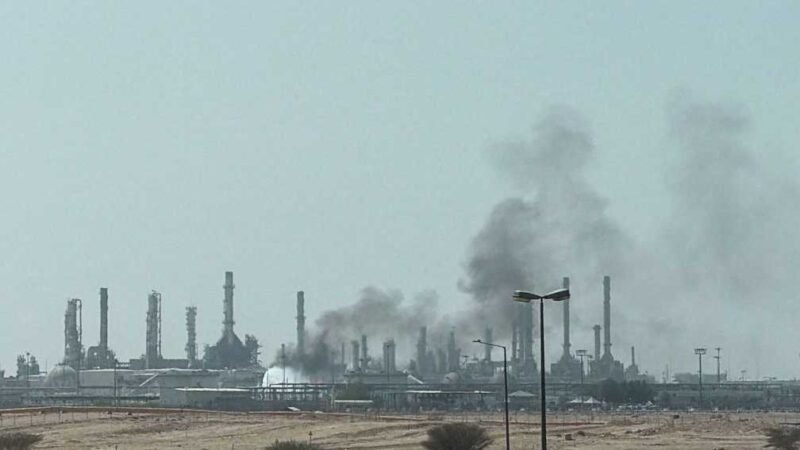
Central to the dialogue was the potential for revitalizing Syrian infrastructure to support the diversification of energy supply routes from the Middle East to European markets. By enhancing these corridors, the leaders explored strategies aimed at bolstering regional energy security and reducing the strategic dependence on the Strait of Hormuz, a critical maritime chokepoint for global oil and gas shipments.
For European partners, the diversification of energy delivery paths is seen as a pivotal move to enhance the resilience of the continent’s energy supply chain. The inclusion of Syria in such a strategic framework represents a significant shift in diplomatic efforts, aiming to transition the nation toward economic stability through the modernization of its transport and energy networks. The discussions highlighted that reconstruction is not merely a domestic priority for Damascus but a project with broader geopolitical implications for energy flow and logistical alternatives in the eastern Mediterranean and beyond.
President Macron and Mr. al-Sharaa examined the specific requirements for modernizing the energy grid and transport systems, which have suffered significant degradation over the years of conflict. The dialogue emphasized the necessity of a stable and operational infrastructure to facilitate the secure export of energy resources. By positioning Syria as a viable transit point for energy, both sides aim to create a more integrated energy architecture that bypasses the limitations and potential risks associated with existing, singular reliance on major Gulf shipping routes.
While the talks addressed the complex challenges of rebuilding a nation after extensive turmoil, the focus remained firmly on the tangible benefits of economic restoration and the strategic utility of Syria’s geographic position. The collaboration signals a concerted effort to engage in pragmatic diplomacy, prioritizing infrastructure development as a cornerstone for both Syrian economic recovery and the strategic energy interests of the European Union. Both leaders expressed a commitment to continue coordinating on the technical and diplomatic steps required to advance these objectives, ensuring that the rebuilding process contributes to a more diversified and reliable energy landscape for the Middle East and its international partners.