

Iran Warns Iraq Against Adopting Trump’s Policies
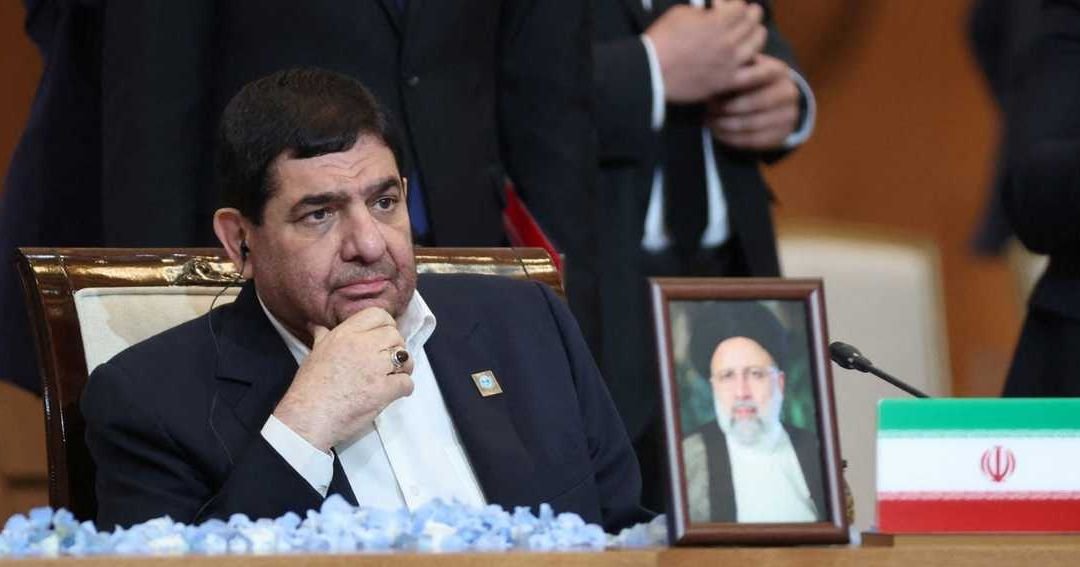
Mohammad Mokhber, a senior advisor to Iran’s Supreme Leader Ali Khamenei, has issued a public warning to the Iraqi government regarding the potential implementation of policies associated with the incoming U.S. administration under Donald Trump. The statement signals Tehran’s ongoing concerns regarding the shifting geopolitical landscape and its impact on neighboring Iraq, a country where Iran exerts significant political and security influence.
In remarks delivered this weekend, Mokhber characterized the potential adoption of policies favored by the U.S. President-elect as a strategic vulnerability. He warned that aligning with such initiatives could effectively render Baghdad an instrument in the hands of Washington, potentially undermining regional security arrangements and altering the balance of power that has been maintained between the two nations.
Tehran has long viewed its influence in Iraq as a critical buffer against Western interference. Mokhber’s comments suggest that Iranian leadership is closely monitoring Baghdad’s diplomatic and economic maneuvers as the transition of power in the United States nears. By framing the adherence to U.S. policy directives as a loss of sovereignty, the Iranian advisor is attempting to reinforce the necessity of Baghdad maintaining a foreign policy orientation that does not contradict Iran’s regional security objectives.
The warning highlights the delicate position in which the Iraqi government currently finds itself. Baghdad frequently navigates the competing interests of its strategic security partner, the United States, and its neighboring ally, Iran. Any perceived tilt in Iraqi policy toward Washington—particularly regarding sanctions enforcement, energy cooperation, or security posture—is met with vocal opposition from Iranian officials, who remain highly sensitive to any perceived erosion of their influence in the region.
While Mokhber did not specify which particular policies he deemed problematic, his rhetoric underscores a broader anxiety within the Iranian political establishment. The potential for a more assertive “maximum pressure” campaign, similar to the strategy employed during the previous Trump administration, remains a primary concern for Tehran. By preemptively cautioning Iraqi leadership, Iran is seeking to consolidate its regional standing and dissuade Iraq from engaging in policy shifts that could align with the incoming American administration’s broader objectives in the Middle East.
The development serves as a reminder of the complex diplomatic environment in the region, where internal political decisions in Baghdad remain inextricably linked to the broader tensions between Washington and Tehran. For now, the Iraqi government has not issued a formal response to Mokhber’s comments, reflecting the cautious approach Baghdad typically adopts when caught in the crossfire of international power struggles.