

Israeli Military Intensifies Operations Across Southern Lebanon
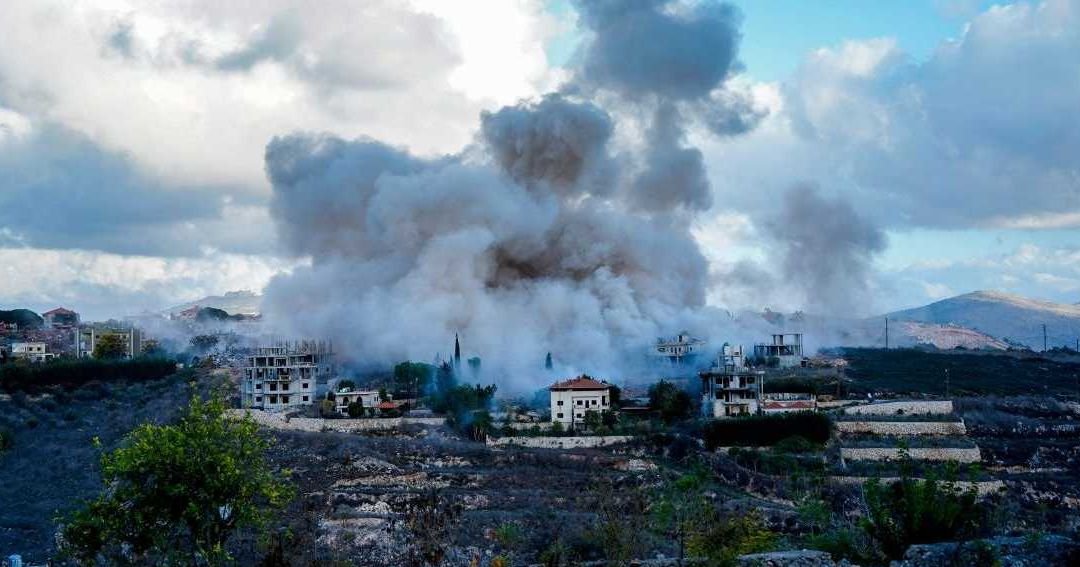
The Israeli military maintained a heightened operational tempo across southern Lebanon on Saturday, launching a fresh wave of aerial bombardments, heavy artillery fire, and targeted explosions in various locations throughout the border region. The sustained activity reflects a deepening of ongoing security developments in the area, as the military continues its campaign along the northern frontier.
Throughout the day, residents and local observers reported frequent airstrikes targeting diverse sites across the southern sector. These kinetic actions were accompanied by persistent artillery shelling, which has become a recurring feature of the current security landscape in the region. In addition to conventional fire, the military conducted a series of controlled explosions, marking a significant escalation in its tactical approach to neutralizing perceived threats within the vicinity of the border.
The intensity of Saturday’s operations underscores the volatile nature of the current security situation in southern Lebanon. Since the commencement of these hostilities, both sides have engaged in intermittent exchanges that have led to widespread instability across the border communities. The latest reports confirm that the military activity was not confined to a single locality but rather dispersed across several areas, further complicating the humanitarian and security environment for the local population.
As the military continues its push, the tactical use of controlled explosions suggests a focus on dismantling infrastructure or clearing areas deemed strategically significant. These maneuvers have contributed to an environment of persistent insecurity, with the sound of shelling and detonations echoing through the valleys and towns of the south. The scope and frequency of the strikes indicate a comprehensive effort by the Israeli forces to exert military pressure across the southern theater.
While the specific tactical objectives behind the latest series of strikes remain consistent with the broader operational goals maintained by the military command, the ongoing nature of the campaign has resulted in significant material impact across the affected municipalities. The continuation of these operations suggests that the security volatility in the border zone remains high, with both air and ground components of the military actively engaged in sustained operations against positions in the region.
Local authorities and regional observers continue to monitor the situation closely, noting that the combination of aerial and ground-based military actions represents a persistent challenge to regional stability. As Saturday drew to a close, the cycle of airstrikes and artillery fire remained a dominant feature of the conflict, with no immediate signs of a de-escalation in the military’s current strategy in southern Lebanon.