

Netanyahu Proposes Rotation Deal to Gadi Eisenkot
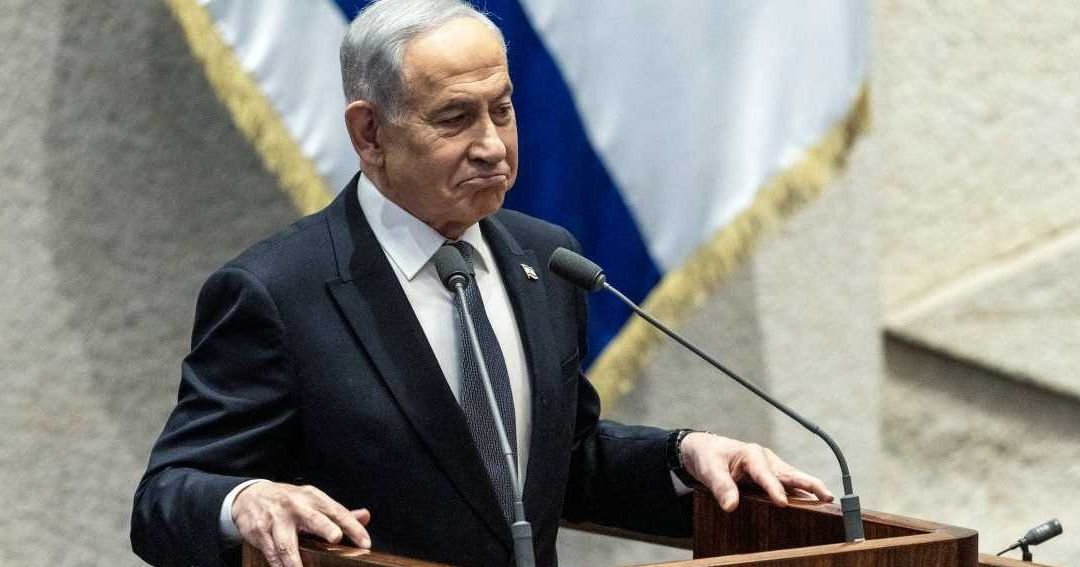
Israeli Prime Minister Benjamin Netanyahu has signaled a significant shift in his approach to governance, announcing on Saturday that he is prepared to offer opposition leader Gadi Eisenkot the position of Prime Minister as part of a proposed power-sharing agreement. The move, aimed at forming a unity government, involves a structured rotation of the premiership, a mechanism previously utilized in Israel to overcome legislative gridlock.
This proposal marks a noteworthy development in the current Israeli political landscape, which has been characterized by intense fragmentation and persistent efforts to secure a stable governing coalition. By floating the possibility of allowing the opposition figure to lead the government first in a rotation deal, Netanyahu is exploring new avenues to reconcile deep-seated political divisions within the Knesset.
The potential for a unity government comes at a time when the country faces complex domestic and regional challenges that require a unified approach to policy and decision-making. The offer to Eisenkot, a prominent figure known for his background in the security establishment, suggests an attempt by Netanyahu to build a broader consensus that could bridge the existing divide between his current coalition partners and the opposition bloc.
Political analysts are closely observing the reactions from the opposition, as the success of such an arrangement depends on the willingness of various factions to compromise on their long-standing disagreements. While the details of the proposed rotation have not been fully disclosed, the initiative highlights the ongoing political maneuvering within Israel as the administration seeks to consolidate support and address the governance instability that has defined recent election cycles.
The framework of a rotation agreement, if accepted, would require a delicate balancing act to ensure that both leaders feel represented in the governing process. The focus remains on whether this proposal will gain sufficient traction to translate into a functioning government or if it will face the same hurdles that have hindered previous attempts to forge a national unity coalition. As the country navigates these internal negotiations, the potential implications for policy direction and government longevity remain a central point of interest for observers of Israeli politics. The development serves as a reflection of the fluid nature of coalition building in the country, where the possibility of unconventional alliances is frequently explored to meet the demands of political necessity.