

Libyan Energy Infrastructure Faces Renewed Security Threats
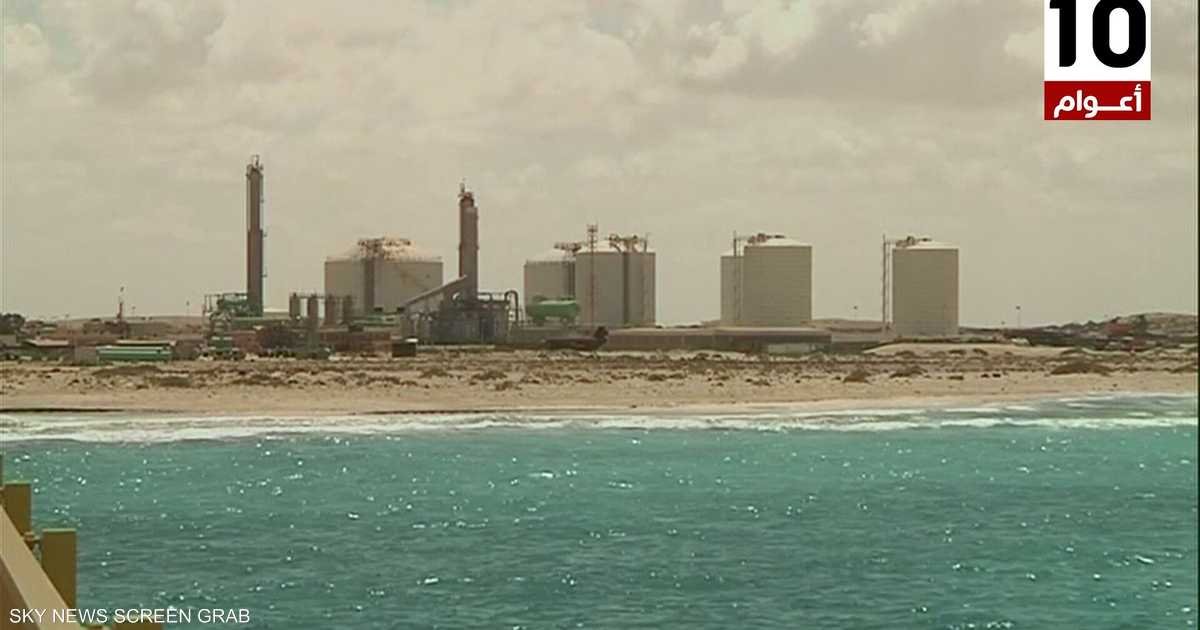
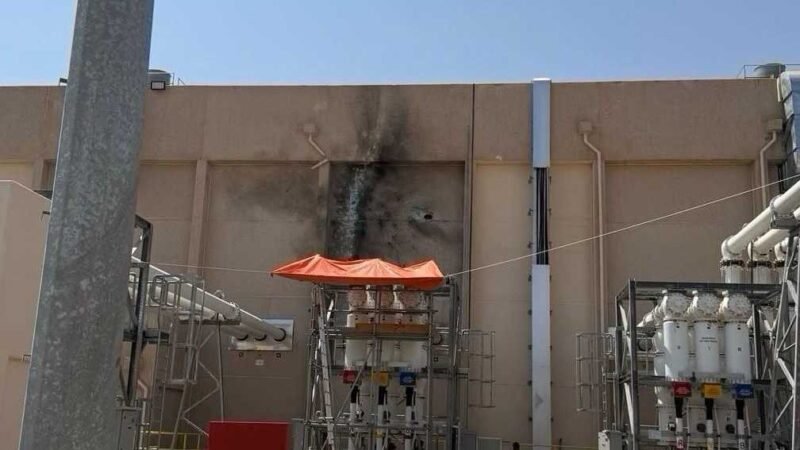
Libya’s energy sector has once again become the epicenter of the country’s precarious security and political landscape. Recent developments, ranging from demonstrations targeting the Zawiya refinery to the breach of the Mellitah industrial complex, have underscored the vulnerability of the nation’s infrastructure and the ongoing instability affecting its most vital economic artery.
The energy sector, which accounts for the vast majority of Libya’s national revenue, is increasingly being used as a pressure point in the country’s fragmented political scene. The recurrence of protests, forced closures, and physical incursions at major energy installations suggests that the management of oil and gas assets remains tied to broader, unresolved power struggles. These disruptions do not merely affect local operational capacity; they pose a significant threat to the state’s fiscal stability and its ability to maintain essential services for the population.
At the heart of the crisis are facilities such as the Zawiya refinery and the Mellitah complex, which play pivotal roles in both domestic fuel supply and international export commitments. When these sites become subject to security breaches or protest-driven shutdowns, the immediate consequence is a tightening of energy supplies and a decline in national production figures. The current wave of unrest highlights a concerning trend where energy infrastructure is treated as a strategic tool for leverage by various factions, further complicating the already challenging task of reunifying the country’s economic institutions.
Security analysts have noted that the inability to insulate oil and gas operations from political friction creates a persistent cycle of instability. Each incident of closure or sabotage hampers the efforts of the National Oil Corporation to maintain consistent output levels, which are critical to the country’s economic recovery. As these installations return to the forefront of the political discourse, the focus shifts toward the potential for long-term damage to the sector’s infrastructure and the broader implications for Libya’s energy-dependent economy.
The situation remains fluid as authorities grapple with the challenge of securing vast energy fields and pipelines against a backdrop of competing local and national interests. For a country striving to transition toward lasting stability, the recurring threats to the energy sector highlight a critical vulnerability that directly impacts the daily lives of citizens and the long-term prospects for the Libyan state. The ongoing disruptions at these key facilities emphasize that without a robust security framework for energy assets, the nation’s path toward economic prosperity remains fraught with significant, self-inflicted obstacles.