

Uncertain Future for Kurdish Women’s Units Amid Syrian Army Restructuring
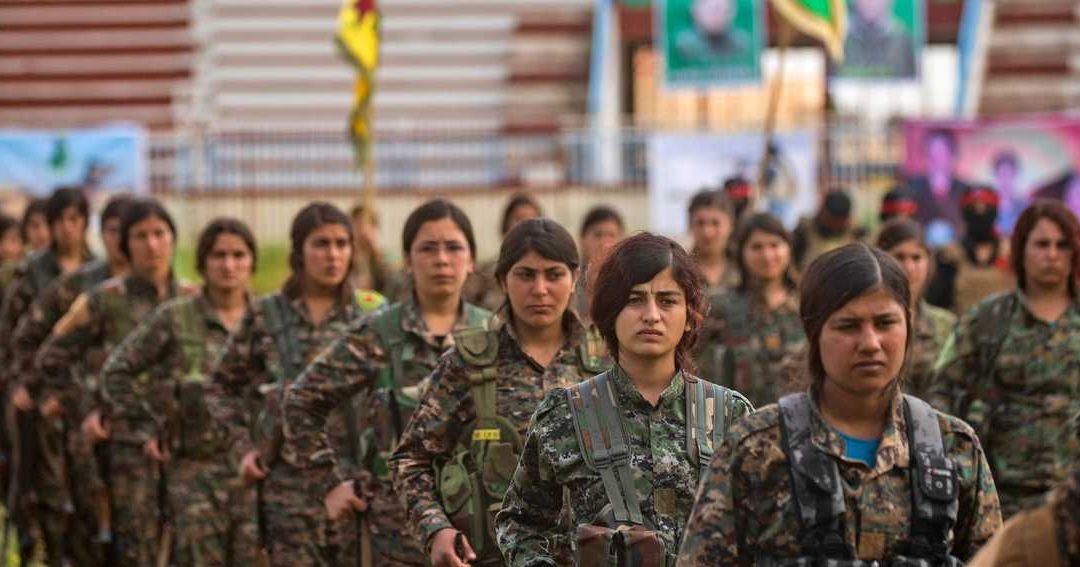
As the dust settles from years of intense combat against the Islamic State (ISIS), the future of the Women’s Protection Units (YPJ)—an all-female Kurdish militia that gained global recognition for its role in the anti-ISIS coalition—has become increasingly precarious. With the Syrian state moving forward with plans to consolidate its military power and integrate various armed formations into national institutions, these fighters are now navigating a complex and uncertain landscape.
For years, the YPJ operated as a distinct, high-profile component of the Syrian Democratic Forces, playing a pivotal role in the liberation of territories once held by militants. Their battlefield presence and operational autonomy were key factors in the territorial defeat of the jihadist group. However, as the Syrian government seeks to reassert central authority across the country, the existence of non-state or semi-autonomous armed groups has emerged as a primary challenge to national military stability.
Recent government initiatives to restructure the national military apparatus emphasize the professionalization and centralization of all armed elements. This process involves the formal absorption of various factions, militias, and regional security groups into the structure of the Syrian state army. For the YPJ, this shift signals a profound transformation from their origins as an independent, ideology-driven force to potential integration within state-sanctioned institutions.
The prospect of this transition has raised significant questions regarding the identity and operational future of these units. Integrating specialized, locally-raised militias into a conventional, hierarchical national army is a process fraught with logistical, political, and cultural hurdles. Analysts note that the integration of such groups is often a delicate negotiation, as it requires balancing the government’s objective of total command over the national security apparatus with the legacy and organizational culture of the groups involved.
The ongoing restructuring of the Syrian armed forces serves as a critical juncture for all regional actors who participated in the war against ISIS. For the female fighters, the transition represents the end of an era marked by unconventional warfare and the beginning of a new phase defined by state-led military policy. The ultimate fate of these women will be determined by the ongoing negotiations between regional stakeholders and central authorities, as the government continues its drive to reintegrate autonomous territories and security sectors into the official state structure.
At present, the situation remains fluid. There is no clear roadmap for how these fighters will be incorporated, or whether their unique organizational structure will be accommodated within the rigid hierarchy of the national military. As the regional security landscape continues to evolve, the integration of these forces into the central government’s security framework remains one of the most significant challenges in the post-ISIS consolidation of Syria.