Trade Flow Stalls at Gaza Crossing Amidst Fee Dispute
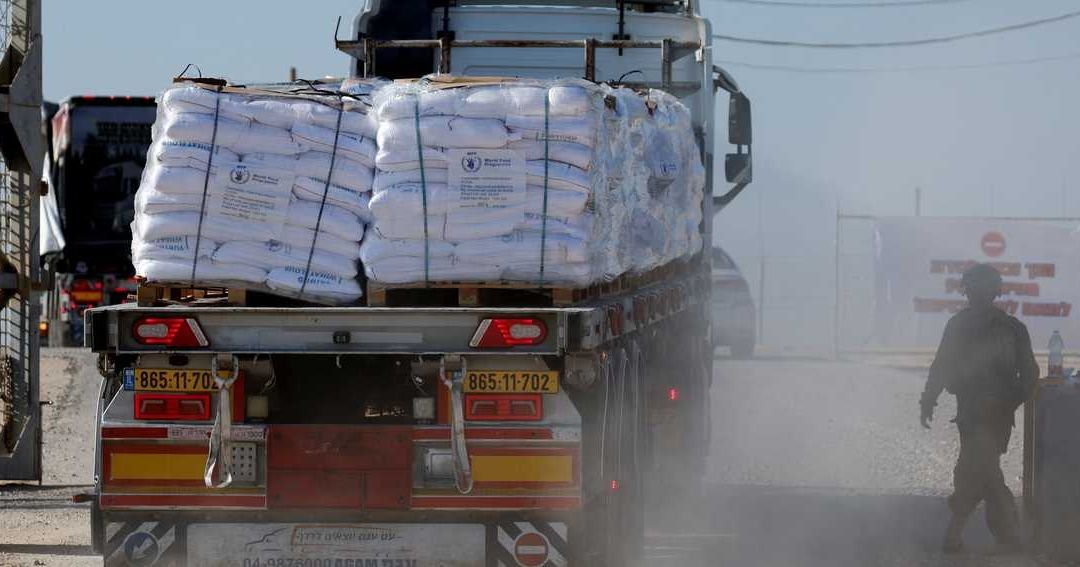
The flow of essential commercial goods from Israel into the Gaza Strip has come to a standstill following a deepening dispute over financial levies. The disruption, which began this week, has effectively halted the movement of trucks carrying various supplies into the territory, creating uncertainty regarding the availability of goods in local markets.
At the center of the standoff are fees that Israeli officials maintain are being imposed by Hamas on merchants operating within the Gaza Strip. The Israeli authorities have signaled concern over the nature of these financial demands, suggesting they function as an unauthorized tax that complicates the logistics of cross-border trade.
In response to the accusations, Hamas has denied that the charges constitute a formal tax system. Instead, the group characterizes these collections as voluntary contributions intended to provide support to the most vulnerable members of the population. Despite this characterization, the economic and logistical impact of the dispute has led to a complete cessation of truck entries, with both sides failing to reach an immediate agreement to restore the passage of goods.
The suspension of trade activity highlights the precarious nature of the economic corridors serving the Gaza Strip. As the situation remains deadlocked, the blockage poses significant challenges for traders and distributors who rely on the regular movement of inventory through the established border crossings. The lack of a clear mechanism to resolve these financial disagreements underscores the tension surrounding administrative control and fiscal policy at the border.
Regional observers are closely monitoring the developments, as any prolonged halt to commercial supplies often carries immediate consequences for the stability of markets within the territory. While discussions regarding the nature of the fees continue, there is currently no indication of when regular traffic will resume. The impasse leaves a critical supply line severed, with no immediate compromise in sight between the conflicting administrative viewpoints on the collection of payments from commercial shipments.
The current crisis serves as a reminder of the fragile state of trade infrastructure in the region, where disagreements over governance and fiscal authority can rapidly escalate into severe operational disruptions. With trucks remaining held back, stakeholders are bracing for the potential impact of sustained shortages if the dispute over the contentious fee structure is not addressed through diplomatic or administrative channels in the near term.