

Senior Hamas Security Official Killed in Gaza Airstrike
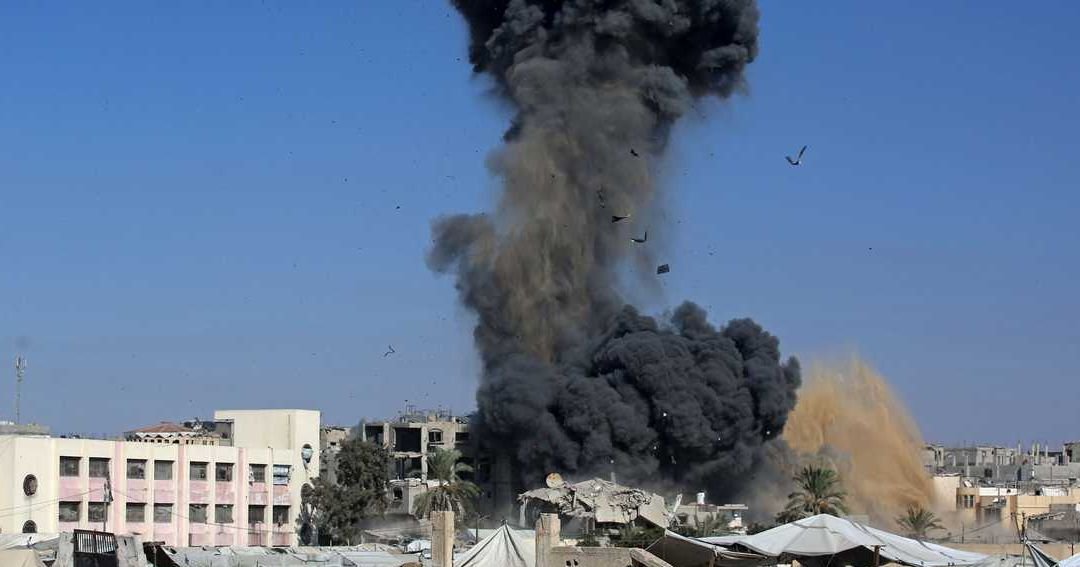
A high-ranking security official within the Hamas movement has been killed in an Israeli airstrike targeting the Gaza Strip, according to statements released by the organization on Tuesday. The individual has been identified as Naim Abu Nahal, who served as the director of the internal security apparatus for the group in the coastal territory.
The death of Abu Nahal marks a significant development in the ongoing security operations within the region. As the head of the internal security department, Abu Nahal held a prominent position in managing the administrative and security affairs of the organization inside Gaza. His role involved oversight of internal policing and domestic security protocols, making his removal a notable event in the current security environment.
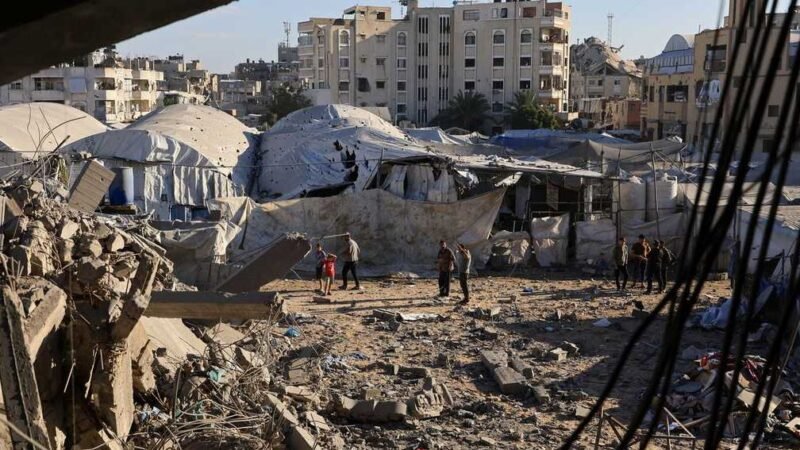
The strike, which targeted a specific location within the Gaza Strip, underscores the intensifying nature of the military engagements between Israeli forces and Hamas. While details regarding the specific circumstances and the precise location of the airstrike remain limited, the confirmation of the official’s death by Hamas sources highlights the high-value nature of the targets being pursued during the current period of instability.
The loss of a figure with such central responsibility for internal security is likely to have operational implications for how Hamas manages its internal affairs and security infrastructure within the territory. The internal security apparatus is tasked with maintaining order and monitoring domestic activities, and the sudden vacancy in its leadership necessitates a reorganization of these responsibilities amidst an already volatile military and security landscape.
The situation in Gaza remains fluid, with ongoing hostilities continuing to impact both political and military structures in the area. The strike against Abu Nahal is part of a broader, persistent military effort that has seen various leadership figures and security personnel targeted throughout the ongoing conflict. International observers continue to monitor the region closely, noting that the death of key administrative and security officials can lead to shifting dynamics within the local governance structure and the broader military strategy of the group.
At this time, there is no further information regarding potential successors or the immediate impact on the operational capacity of the internal security apparatus. As the situation develops, the focus remains on the broader consequences of such targeted operations on the security fabric of the territory and the ongoing volatility that continues to define the relationship between the involved parties.