

Egypt Foreign Minister Warns of Global Impact of Iran File
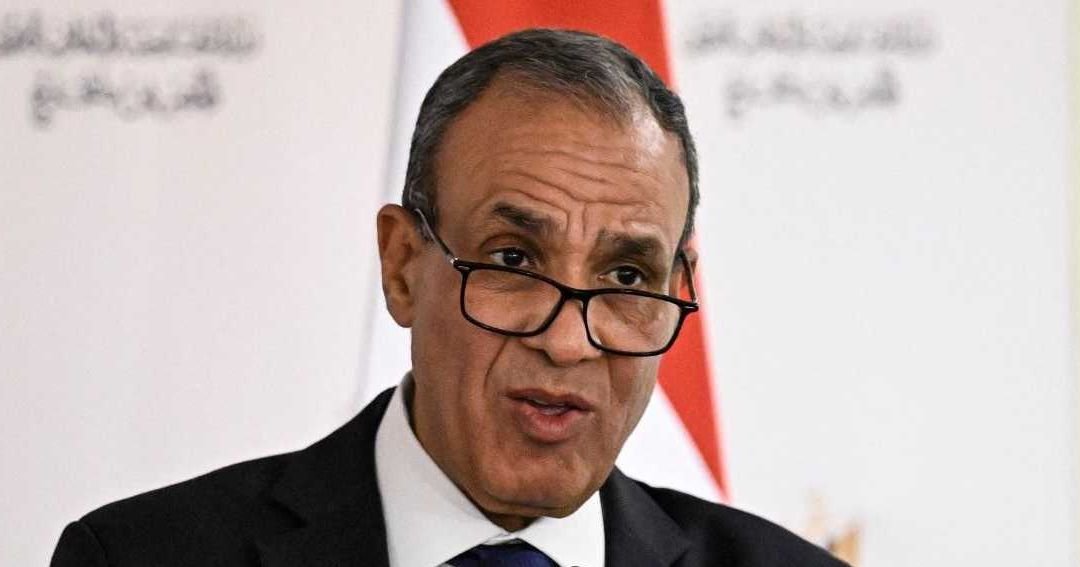
Egyptian Foreign Minister Badr Abdelatty has issued a significant warning regarding the geopolitical implications of the current tensions surrounding Iran, emphasizing that the fallout from these developments is not contained within the borders of the Gulf Cooperation Council (GCC) states. Speaking on Saturday, the top diplomat asserted that the potential instability and regional shifts stemming from the Iran file have far-reaching consequences that extend to the international community at large.
Minister Abdelatty’s remarks highlight a growing concern within Cairo regarding regional security architecture and the interconnected nature of Middle Eastern stability. By framing the Iran file as a matter of global rather than merely local concern, Egypt is signaling the importance of a broader international approach to managing regional security challenges. This perspective reflects Egypt’s long-standing diplomatic position that regional crises—particularly those involving major state actors like Iran—necessitate cohesive, strategic engagement that transcends local alliances.
The comments serve as a clear indicator of Egypt’s focus on the volatility of current regional dynamics. While the Gulf states have been the most direct parties involved in recent years due to security threats, maritime tensions, and proxy conflicts, the Egyptian government is stressing that the reach of these issues is global. This suggests that the ripple effects, whether they manifest in international energy market instability, maritime security concerns, or broader strategic shifts, are factors that weigh heavily on Egypt’s foreign policy calculations.
Furthermore, the Foreign Minister’s statement underscores the necessity for sustained diplomatic dialogue to mitigate the risks associated with regional tensions. As Cairo continues to exert its influence as a stabilizing power in the region, the official characterization of the Iran dossier serves to alert global stakeholders that the security of the Middle East is an indivisible component of international security. The acknowledgment of these far-reaching consequences suggests that Egypt remains committed to monitoring and engaging in the diplomatic maneuvers surrounding Iran, ensuring that its national and regional interests are protected amidst shifting alliances and heightened regional risks.
As the situation evolves, Abdelatty’s stance reinforces the position that the international community cannot afford to overlook or compartmentalize regional crises. Instead, there is a requirement for a comprehensive understanding of how regional friction points, such as those related to Iran, impact the broader global political and security landscape. By articulating this message, Egypt seeks to ensure that the security discourse remains focused on long-term stability rather than localized containment strategies alone.