

Bahrain Summons Lebanese Ambassador Over Offensive Remarks
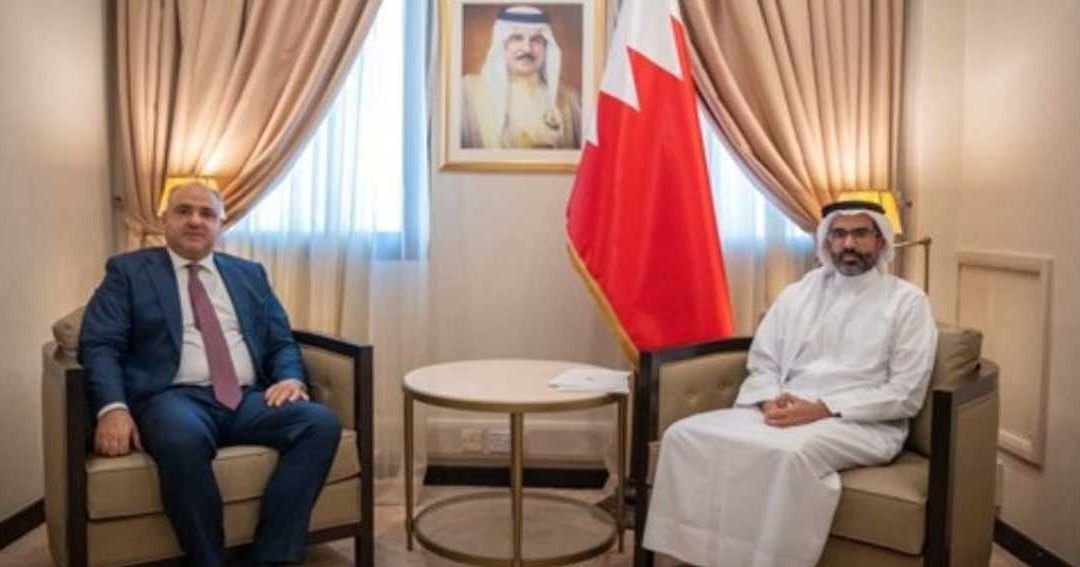
The Kingdom of Bahrain officially summoned the Lebanese ambassador to Manama on Saturday to deliver a formal protest regarding a recent event held in Beirut. The diplomatic move follows reports of remarks made during the gathering that the Bahraini government has characterized as offensive to the Kingdom.
The Ministry of Foreign Affairs of Bahrain confirmed the summoning, stating that a formal protest note was handed to the Lebanese representative. The note expresses the Kingdom’s strong condemnation of the statements delivered during the meeting, which took place in the Lebanese capital and included discourse that the Bahraini authorities deemed an unacceptable affront to the sovereignty and standing of the Kingdom of Bahrain.
This diplomatic incident highlights ongoing regional sensitivities regarding public remarks made within Lebanon that affect the diplomatic relations between Beirut and its Arab neighbors. The move is seen as a clear signal of Bahrain’s intolerance for rhetoric that it perceives as hostile or disparaging, particularly when such events are hosted within the territory of a fellow Arab League member state.
While the specific content of the statements has not been detailed beyond the official characterization of being “offensive,” the summoning of an ambassador is a significant diplomatic action used to signal deep dissatisfaction and to demand accountability or clarification from the host nation. The action by the Bahraini Ministry of Foreign Affairs underscores the Kingdom’s commitment to maintaining its national dignity on the international stage and its expectation that partner nations, including Lebanon, should discourage activities or events that serve to damage bilateral relations.
As of Saturday, there has been no immediate official response from the Lebanese Ministry of Foreign Affairs regarding the protest note delivered to their representative in Manama. The situation remains a developing issue in the context of broader diplomatic engagements across the Middle East, where states are increasingly sensitive to how their internal political environments are utilized to host rhetoric critical of regional allies. This diplomatic escalation underscores the pressure on the Lebanese government to manage the diversity of political speech occurring within its borders while navigating its complex regional relationships with countries in the Gulf Cooperation Council.