


Egypt Tightens Drug Sales Regulations Amid Growing Online Safety Concerns
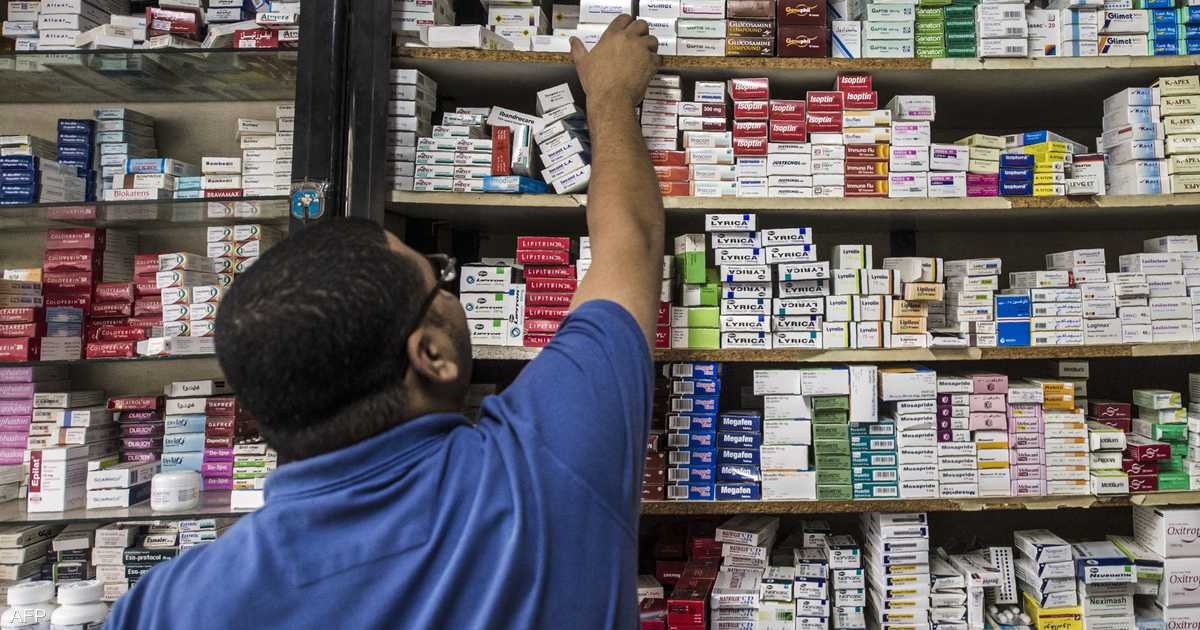
Egyptian regulatory authorities are currently facing intense public and professional scrutiny regarding the safety and legality of pharmaceutical distribution through digital platforms. The debate has been ignited by concerns over the rising trend of purchasing prescription medications through mobile applications and encrypted messaging services, such as WhatsApp, effectively bypassing the traditional requirement for verified medical prescriptions.
The urgency of the situation has been underscored by recent reports involving a child who suffered a severe medical reaction after consuming medication obtained without proper professional oversight. This incident has acted as a catalyst for a national conversation regarding the risks associated with the unregulated online pharmacy market in Egypt. Health advocates and medical professionals have long warned that the convenience of “one-click” medication delivery often comes at the cost of patient safety, particularly when the pharmacy ecosystem is not strictly monitored to ensure that potent medications are only dispensed under the supervision of licensed pharmacists.
Under current Egyptian health regulations, the dispensing of prescription drugs requires a valid, written order from a qualified physician to ensure dosage accuracy and to avoid adverse drug interactions. However, the proliferation of unofficial online retailers has created a grey market where consumers can easily access controlled substances without clinical verification. These platforms frequently prioritize expedited delivery and accessibility, which critics argue undermines the fundamental role of a pharmacist as a final check against prescription errors or misuse.
In response to the growing public outcry, health officials are expected to intensify oversight of digital health startups and unlicensed pharmacy portals. The Ministry of Health is under pressure to establish a robust legal framework that differentiates between legitimate, authorized pharmacy delivery services—which operate under strict health protocols—and illicit online brokers that bypass legal requirements.
Industry analysts suggest that the government may implement stricter digital authentication requirements for pharmacy apps, mandating that all prescriptions be digitally verified against a centralized database before a transaction can be completed. Furthermore, there is a push for harsher penalties for entities found to be distributing medications without requesting a doctor’s signature.
As the debate continues, the focus remains on balancing the consumer’s need for accessible healthcare services with the necessity of maintaining stringent medical standards. Protecting the public from the dangers of self-medication and ensuring that every dispensed drug is backed by a clinical diagnosis remain the government’s primary objectives. For many families in Egypt, the incident has highlighted a critical need for tighter control over the digital health landscape to prevent future tragedies and restore public trust in the national pharmaceutical distribution system.