

UAE Official: Restoring Trust with Iran Will Require Years
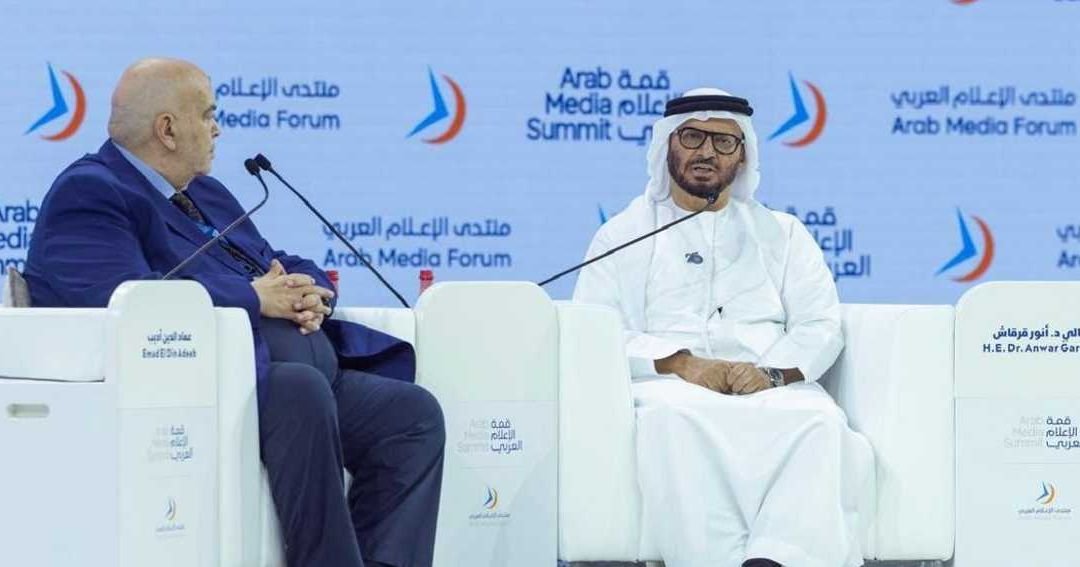
Dr. Anwar Gargash, the diplomatic adviser to the President of the United Arab Emirates, has stated that the process of restoring confidence in Iran will require a significant period, spanning several years. His remarks underscore the cautious approach the UAE is taking toward regional diplomacy as the Gulf states navigate complex political dynamics.
Speaking on the long-term prospects of regional stability, the Emirati official emphasized that building a foundation of trust is not a short-term endeavor. The normalization of relations and the establishment of a stable security environment in the Middle East involve multiple layers of engagement, including addressing historical grievances and ongoing strategic concerns that have long defined the geopolitical landscape between the Gulf Cooperation Council (GCC) member states and Iran.
Dr. Gargash’s assessment highlights the pragmatic stance adopted by Abu Dhabi in its foreign policy. While diplomatic channels between the UAE and Iran have remained open, and there have been efforts to de-escalate regional tensions, the Emirati leadership maintains that tangible progress toward a lasting regional security architecture is a gradual evolution. The path toward a sustainable relationship involves rigorous verification, consistent behavioral shifts, and the long-term management of regional security challenges.
For the United Arab Emirates, stability is considered a cornerstone of regional prosperity. By acknowledging the time-intensive nature of rebuilding trust, the UAE signals to its regional partners and the international community that it prefers a calculated, stable diplomatic trajectory over hasty, short-lived agreements. This cautious optimism is reflective of the wider GCC policy, which seeks to protect regional interests while navigating the influence of powerful neighbors like Iran.
The UAE has consistently advocated for a diplomatic approach to regional disputes, emphasizing the importance of sovereignty and regional cooperation. However, as Dr. Gargash indicated, the legacy of regional friction necessitates a patient strategy. The statement serves as a reminder that even as diplomatic relations are re-established or strengthened, the underlying issues of regional security, non-interference, and strategic alignment require sustained attention and deep-rooted change before true trust can be solidified between the nations of the Gulf and Tehran.
As the UAE continues to position itself as a key diplomatic player in the region, the official remarks from the presidential adviser reinforce the message that the country’s foreign policy is guided by realism. The focus remains on de-escalation and the incremental building of regional confidence, acknowledging that the complexities of Middle Eastern politics do not allow for immediate or simplistic solutions. For now, the UAE remains committed to a long-term strategy of engagement, fully aware that the fruits of such diplomacy will only be realized after years of persistent and transparent effort.